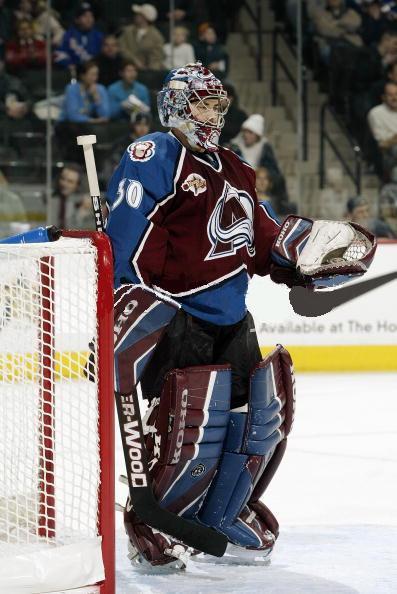
After a week off, the AGM this week focuses on a goalie who stayed to his amateur roots for longer than most in order to play in the Olympics. After that, he took another less taken road by going out west. This week, the profile of Don Head.
Starting in the Junior B system with the Weston Dukes during the 1950-51 season, Head would move forward during the 1951-52 with the Toronto Marlboros for 37 games, winning the Dave Pinkney Trophy for goalie with the best goals-against average for his team. Head would return to Weston for the 1952-53 season to end out his junior career.
Going the amateur route with Senior Hockey, Head played for the Stratford Indians from the 1953-54 season until the 1955-56 season, playing in a total of 74 games over that span. Head moved to the Windsor Bulldogs in the 1956-57 season, where Head would go 30-17-3 in 50 games, six wins by shutout. During the 1957-58 season, Head moved to the Chatham Maroons of the Northern Ontario Hockey Association and would play there for two seasons for a total of 96 games. Returning to Windsor for the 1959-60 season, Head used it as a tune-up for his role for Canada in the Olympics.
Head would pilot the Canadians into a solid position in the Olympics, going 5-1-0 in the seven games he played in, but they were upset by the United States, relegating the Canadians to take silver.
Starting in the 1960-61 season, Head moved onto his pro career with the WHL's Portland Buckaroos, where Head went 38-23-9 in his 70 games, then going 10-4 in the playofs to help Portland to the WHL title-- the Lester Patrick Cup. Head would win the WHL's Rookie of the Year award and Outstanding Goaltender Award for fewest goals-against on the season.
Portland would trade Head to the NHL's Boston Bruins ahead of the 1961-62 season, where Head would play in 38 games for Boston, posting a 9-26-3 record. Head would also spend five games in Portland that season on loan, going 3-1-1 in those games.
The Bruins traded Head back to Portland before the 1962-63 season, where Head would rebound from his NHL downside with a 43-21-6 record in 70 games, then 3-4 in the playoffs-- which was enough for another Outstanding Goaltender Award. Injuries hampered Head for the 1963-64 season, playing in only 16 games and having a record of 6-9-1; but Head would get back to play a majority of the games for Portland in the 1964-65 season, posting a 26-20-4 record in 51 games played, then 8-1 in the playoffs; helping Portland to another Lester Patrick Cup as champions.
Head's workload would decreased starting in the 1965-66 season, playing in only 36 games and finishing with a 20-12-3 record, sharing an Outstanding Goaltender Award with teammate Dave Kelly. During the 1966-67 campaign, Head played in 44 games for Portland, going 26-13-5, then 0-3 in four playoff appearances.
Portland traded Head to the Seattle Totems before the 1967-68 season, where Head would go 23-19-4 in 46 games and then posting an 8-1 playoff record to help the Totems to the Lester Patrick Cup, the team's second in a row. Back for the 1968-69 season, Head played in 44 games for Seattle and compiled a record of 22-13-4 (0-4 in the playoffs), while in the 1969-70 season; Head went 8-10-2 in only 20 games with the Totems. The 1970-71 season would turn out to be the last for Head, going 4-7-3 in 16 games before he would hang up the pads for good.
Head was inducted into the Oregon Sports Hall of Fame thanks to his time and achievements with the Buckaroos.
Though he had a cup of coffee in the NHL (which resulted in a Sports Illustrated cover....sort of) and Olympic glory, Head's contribution in the the semi-pro side of things made him a memorable aspect of Pacific Northwest sports lore. Though it might not be the big time for most, Head make the most of it and succeeded quite well due to it.
Showing posts with label Boston Bruins. Show all posts
Monday, July 08, 2013
Absurd Goalie Monday: Don Head
Labels:
Absurd Goalie Monday,
Boston Bruins,
Don Head,
Hockey Canada,
Olympics,
WHL
Tuesday, June 25, 2013
Thanks For Coming Out, 2013 Boston Bruins
With a team who was hidden in the fourth spot in the East, the Boston Bruins overcame a first round scare and had the whole city on their back for the ride as they got to the Stanley Cup Finals, but the counterattack was a little too much for the Bruins, but a lot to build off of.
One big bright spot is David Krejci's production in the playoffs, only seven points off his regular season output in 25 less games. With his budding performance, you can bet that Krejci will be the focal point along with Patrice Bergeron for the Bruins offense, despite them being a primarily defensive team. On the flip side, the snake-bit nature of Tyler Seguin's post-season is something that could be a worry going forward if he can't shake it off.
The play of Tuukka Rask definitely made the Bruins fans forget about Tim Thomas's off-ice wrangling; though many though Rask was more than ready when Thomas was already there. Keeping the Bruins in many games and facing a ton of shots, Rask is showing that he could be considered a top-tier goalie, so long as his temper and focus are kept in check.
The young guns on the defense, Torey Krug and Dougie Hamilton, are going to be maturing more and more as the summer and into next season comes. Krug had an early showing of what he could do in the playoffs to start and should be able to build off that, while Hamilton got a taste of the experience though he didn't play all that much. It is still Zdeno Chara's defense, though the Blackhawks seemed to have a game plan that worked against Chara's size and strength.
For the Bruins, it's a bright future and continues to have a nice little feeder system working for them that allows their younger players to get into the line-up quickly and the system that's in place allows them to succeed on the big stage and allows them to get noticed quickly. While this defeat hurts, the fact is that they'll be able to learn from it on the fly and adjust as needed.
Monday, June 24, 2013
Absurd Goalie Monday: Jim Pettie
This installment includes a goalie who has his own attachment to a certain Bruins/Blackhawks match-up, though it was in the beginning of the season rather than the end. For a man they called "Seaweed" due to his hair, he had a small shelf-life, but he'll live on thanks to that and being a main part in a well-known novel. This week, the profile of Jim Pettie.
Starting in the 1972-73 season, Pettie played in the OHA for the St. Catherines Black Hawks for 31 games and registering a 5.04 GAA in that span. It wouldn't deter the Boston Bruins from picking Pettie in the 9th Round of the Draft in 1973.
Pettie made the jump to the pros during the 1973-74 season, playing in the IHL with the Dayton Gems, playing in 118 games between the 1973-74 season and the 1975-76 season (no record provided). During the 1975-76 season, Pettie went 12-3 in the Turner Cup playoffs to help the Gems win the Turner Cup. During that run, Pettie played in the North American League for the Binghamton Whalers for five games.
The Bruins gave Pettie a boost in the 1976-77 season, placing him in the AHL with the Rochester Americans, where he would play 43 games and have a record of 26-15-1, then go 6-5 in the playoffs. Pettie was called up to the Bruins and won his only game; which was the first time a Bruins goalie would play against Bobby Orr-- who was with the Blackhawks at the time.
At the start of 1977 training camp, Pettie was roomed with author George Plimpton as the latter was doing research for his upcoming book, "Open Net." Because of that, Pettie was referenced in the book plenty of times. Pettie returned to Rochester for the 1977-78 season, posting a 16-12-4 record in 32 games, while losing his only game when he was called up to the Bruins. During the 1978-79 season, Pettie was up with the Bruins for most of the season, going 8-6-2 in 19 games as the back-up. Also that season, Pettie went 0-7-1 in nine games with Rochester.
Before the 1979-80 season, Pettie was signed by the New York Rangers, but was placed in the AHL with the New Haven Nighthawks, going 16-13-3 in 33 games; then 1-1 in the playoffs. For the 1980-81 season, Pettie played with the Central League's Birmingham Bulls, playing in 21 games with a GAA of 5.50, while also playing one game for the Eastern League's Richmond Rifles, which was a loss. After that season, Pettie would retire.
Not for long in the NHL or hockey in general, Pettie does live on in a well-known book and has the distinguished honor for being the first Bruin to play against Bruins legend Bobby Orr, so despite not much of a stat-line, he'll always have those things to hang his hat on.
Labels:
Absurd Goalie Monday,
AHL,
Boston Bruins,
IHL,
Jim Pettie,
Minor League Hockey
Monday, June 17, 2013
Absurd Goalie Monday: Roberto Romano
This week's AGM is a guy who almost gave up before his career was able to take off. With the pressures of a young starting goalie in a certain market, it was almost too much for this week's goalie-- but he was able to level himself off a bit and made a decent career for himself. This week, the profile of Roberto Romano.
Romano started off in the QMJHL playing for the Quebec Remparts in the 1979-80 season, going 20-14-3 in 52 appearances, then 1-2 in the post-season. During the 1980-81 season, Romano would play in 59 games for Quebec and post an even 24-24-2 record (1-2 again in the post-season), while playing only one game for Quebec in 1981-82, which was a loss. Romano was traded during that season to the Hull Olympiques and played in 56 games and finished with a 34-17-2 record and then 6-7 in the playoffs.
As an undrafted goalie, Romano finished his junior career as a free agent. The Pittsburgh Penguins signed Romano before the 1982-83 season, playing most of that time in the AHL with the Baltimore Skipjacks. With Baltimore, Romano went 19-14-3 in 38 games, then finishing with an 0-3-0 record with the Penguins that season. For the 1983-84 season, Romano went an impressive 23-6-1 with Baltimore before being called up to the Penguins and going 6-11-0 in 18 games. It wasn't a stellar 1984-85 season, as with Baltimore, Romano posted a 2-8-2 record; but in Pittsburgh-- the record of 9-17-2 was enough to make Romano think about retiring after that season.
Trying to earn his teammates and his organizations trust back, Romano fought back in training camp and was somewhat better in the 1985-86 season, finishing with a 21-20-3 record. It was a hectic split season in the 1986-87 season for Romano, spending five games in Baltimore (0-3-0) while also spending 25 games in Pittsburgh (9-11-2) before adding some other destinations to his resume.
On February 6th, 1987, Romano was traded to the Boston Bruins for Pat Riggin. Romano played one game in Boston that season (a loss) and appeared in relief for one game with the team's AHL affiliate, the Moncton Golden Flames, but didn't figure in the decision. The 1987-88 season saw Romano play for the Maine Mariners for 16 games and ended up with a 5-8-1 record.
After that season, Romano went international and went to Italy to play. From the 1988-89 season until the 1992-93 season; Romano played with HC Merano, HC Bolzano, HC Milano Saima, HC Milano, and Romano gained his Italian citizenship; which allowed him to play for Italy in the 1992 World Championships.
Returning to North America in the 1993-94 season, Romano signed again with the Penguins and knew that the IHL's Cleveland Lumberjacks would be the destination of choice. With Cleveland, Romano went 2-7-2 in 11 games; but due to injuries, Romano was called up to Pittsburgh for two games and went 1-0-1 in that times. After that season, Romano hung up the pads.
For a player who was on a subpar team and almost quit because he wasn't playing up to snuff-- Romano was able to actually rebound (all things considered) and make a steady career for himself. It also allowed him to actually get outside of North America and experience his Italian heritage side and representing that nation.
Labels:
Absurd Goalie Monday,
AHL,
Boston Bruins,
IHL,
Italian Hockey,
Pittsburgh Penguins,
Roberto Romano
Tuesday, June 11, 2013
Stanley Cup Prediction: (1W) Chicago Blackhawks vs (4E) Boston Bruins
It's come to this. We've all waited
---------
Out of the East are the Boston Bruins, who were pushed to the brink in the first round; but since then have been world beaters. You can almost sense that the first round scare could have been a wake-up call this team needed to stave off the likes of the Rangers and Penguins.
But the Bruins are a scary bunch. They have all the tools to be a successful playoff team and are a team that will battle for every piece of land out there. Brad Marchand and Milan Lucic have lead the charge with their hard-nose play, while David Krejci and Nathan Horton have produced fantastically for the Bruins this post season.
When it comes to defense, you can't bet against Zdeno Chara, who provides pleny of intangibles, but with Torey Krug coming on like a house of fire this post-season has been a great surprise. With Johnny Boychuk and Adam McQuaid holding down the fort in their own end, the Bruins seems impenetrable.
And even if they get past them, Tuukka Rask shut down one of the most prolific offenses in the NHL today last round and has had plenty of support to help him along the way. One big thing is that he has been strong mentally, not letting the junk in front of the net or a bad goal get to him and making him bust out into his rageful mood.
---------
Out of the West, the team that has been one of the top teams from start to finish-- the Chicago Blackhawks. Much like the Bruins, they've had to come back from a series-- granted they were down 3-1 and not up--and have showed their guile and depth, especially with their top players not filling the net as many would have hoped.
In that, I mean that Jonathan Toews and Patrick Kane haven't been setting the scoresheet on fire, sans Kane's last game in the Conference Finals with a hat-trick. That said, the scoring has been spread around, making the offense a decent threat regardless of the line out there.
Defensively, the Blackhawks have had it a little rough, with Brent Seabrook not having the best playoffs-- but Johnny Oduya coming up clutch for the Blackhawks in their own zone, as well as making that first pass to create offense. Michal Roszival has also played rather well on the third pairing. Duncan Keith, despite the one-game suspension, has been the offensive leader on the defense.
In net, Corey Crawford is looking like Antti Niemi did when he was in net for the Blackhawks' Cup run in 2010 (observation by Lyle Richardson). While he hasn't been extremely extraordinary-- he has gotten the job done and been able to get the wins needed to get the Hawks to this point. He's not the most flashiest and may give Hawks fans fits, he has gotten the job done in a big way.
---------
So, prediction time: Boston is very scary. They have all the tools needed in order to actually take this series handily, but Chicago won't let their record start be tarnished with a pathetic showing at the end of the year.
With that all in mind, I feel the Blackhawks will take Lord Stanley's Cup in six games.
Saturday, June 01, 2013
Pointless Playoff Prognostication: Conference Finals
Perfect in the West, squa-douche in the East. So, here we go-- we're looking at the Final Four, who-- oddly enough-- are the last four Cup winners. How about that.
CONFERENCE FINALS
EASTERN CONFERENCE
(1) Pittsburgh Penguins vs. (4) Boston Bruins
Prediction: Bruins in 6
Reason: The Bruins have a lot of life after that first round and the Penguins still look like a vulnerable team-- so the nod goes to the inspired Bruins over the Pens.
WESTERN CONFERENCE
(1) Chicago Blackhawks vs. (5) Los Angeles Kings
Prediction: Blackhawks in 7
Reason: While Jonathan Quick looks like the goalie who stole games for last year's Kings, the offense of the Blackhawks could prove to be too much for the Kings defense-- especially if the Kings get a little listless offensively.
Monday, April 22, 2013
Absurd Goalie Monday: Mike Moffat
Talking about going with a hot hand into the end of the season and into the playoffs, that's what this AGM did right out of the gate. However, through some happenstance and just mental drain, he was not able to fully have a lasting career. This week, the profile of Mike Moffat.
Moffat made his mark on the junior scene starting in the 1979-80 season with the OHL's Kingston Canadians, going 7-7-1 in 21 appearances, then losing one of the two playoff appearances he had. Moffat jumped into the starting role in the 1980-81 season, playing in 51 games, finishing 33-21-3 while going 6-6 in 14 playoff games. During the 1981-82 season, Moffat played in 46 games for Kingston, pacing himself to a 19-21-4 record, then 0-1 in four playoff games.
However, the peak of the 1981-82 season was Moffat's selection to the Canadian World Juniors team and being the starting goalie. Moffat would go 3-0-1 in four games on the way to a Canadian gold medal. Moffat was named Best Goaltender in the tournament and to the All-Star Team in the tournament.
A draftee of the Boston Bruins in 1980, Moffat was called up after the 1982 playoffs by the Bruins and he was thrown into the cage immediately, going 2-0-0 in his two games of the 1981-82 season, then posted a 6-5 record in 11 playoff games with the Bruins. During the 1982-83 season, Moffat only played 13 games with the Bruins and put up a 4-6-1 record. The other half of that season, Moffat was with the AHL's Baltimore Skipjacks, going 5-8-3 in his 17 appearances.
The bulk of the 1983-84 season saw Moffat in the AHL with the Hershey Bears, playing in 30 games and finishing with a record 8-13-4, while also going 1-1-1 in four games of action with the Boston Bruins. Staying in the AHL in the 1984-85 season, Moffat was playing for the Cape Breton Oilers and would lose the only game he played in. After that, he announced his retirement from professional hockey.
Hockey wasn't done overall for Moffat, as he would go to play Canadian college hockey with Wilfrid Laurier University in the 1985-86 season, finishing with a 5-1-0 record in six games. During the 1986-87 season, Moffat took his turn at the Canadian National Team in hopes of trying out for the 1988 Olympics. Moffat went 2-3-1 in six games and did not play beyond that stint, retiring for real after that.
It wasn't until later that it was made public that Moffat wasn't able to handle the nerves and pressure professional hockey brought. Moffat was homesick, dealt with insomnia, and chronic headaches. After getting out of hockey, Moffat turned to Canadian hardware store Rona, where he is an outside sale representative for the company. Moffat stills played in an Over-40 league, but never in goal.
Moffat said himself that if you didn't want the job, a dozen goalies were waiting in the wings. Especially in the 1980s, it was probably much more horrifying than it is today. Though he was able to show signs of greatness, Moffat wasn't able to take the grind-- probably one of the few to actually admit that.
Labels:
Absurd Goalie Monday,
Baltimore Hockey,
Boston Bruins,
Hockey Canada,
Mike Moffat,
World Juniors
Monday, April 01, 2013
Absurd Goalie Monday: Ed Chadwick
With little jobs during the Original Six era for goalies, the need for longevity was a must. This week's AGM was an unlikely source for being that longevity-- a record that actually still stands with the team's history today. This week, the profile of Ed Chadwick.
Starting in the 1950-51 season, Chadwick played in the OHA-Junior league with the St. Michael's Majors and would play there for three seasons until the 1952-53 season in a total of 135 regular season games and 24 playoff games (13-11).
Also during the 1952-53 season, Chadwick played with the AHL's Pittsburgh Hornets for a game, which was a win. Chadwick spent two games with the Hornets during the 1953-54 season going 1-1-0, but would also spend time with the OHA-Senior league's Stratford Indians for four games. During the 1954-55 season, Chadwick spend the majority of the year with the Sault Ste. Marie Greyhounds of the NOHA, playing 38 regular season and 14 playoff games (no records given); plus Chadwick spent two games with the AHL's Buffalo Bisons, posting a 1-1-0 record.
During the 1955-56 season, Chadwick spend the majority of the season with the Winnipeg Warriors of the Western Hockey League, compiling a 39-27-2 record in the regular season and a 16-4 playoff record, helping the Warriors to the Lester Patrick Cup as league champions and Edinburgh Cup as top minor professional team in Canada. During the season, Chadwick got a chance to move to the NHL with the Toronto Maple Leafs when Harry Lumley went down to injury. In five games, Chadwick finished with a 2-0-3 record with the Leafs.
Chadwick stayed up with the Leafs in the 1956-57 season, playing in all 70 games and finishing with a record of 21-34-15. In another full 70-game season for Chadwick in 1957-58, the record at the end would be 21-38-11. Those 140 consecutive games is still a Leafs record to this day. During the 1958-59 season, Chadwick only played 31 games for the Leafs and would finish with a 12-15-4 record, while in the 1959-60 season, Chadwick posted a 1-2-1 record in four games.
The bulk of the 1959-60 season, Chadwick was sent to the AHL's Rochester Americans, playing in 67 games and finishing with a 39-24-4 record and then 5-7 in the playoffs. Chadwick would received the Hap Holmes Trophy for fewest goals-against in the AHL and was on the AHL First All-Star Team. Returning to Rochester in the 1960-61 season, Chadwick finished with a 32-35-4 in 71 games.
Chadwick moved to the Kingston Frontenacs for the 1961-62 season, playing 67 games and finished with a 36-23-8 record, then going 6-5 in the playoffs. During that run, Chadwick was traded from the Leafs to the Boston Bruins for Don Simmons, and Chadwick would play four games and put up a 0-3-1 record.
In the summer of 1962, Boston traded Chadwick with Barry Ashbee to the Detroit Red Wings for Bob Perreault. Chadwick never played in Detroit, being sent right to the Hershey Bears of the AHL for the 1962-63 season and had a 34-26-7 record in the regular season with an 8-7 record in the playoffs. Back in Hershey for the 1963-64 season, Chadwick went 31-22-5 in 57 games and 3-3 in the playoffs.
The Bears would traded Chadwick to the Chicago Blackhawks in the summer of 1964, who would place him with the Buffalo Bisons in the AHL for the 1964-65 season; where Chadwick would finish with a 33-21-6 record, then 5-4 in the playoffs. Chadwick's time would decrease significantly in the 1965-66 season, playing in only 34 games and finishing with a 14-18-1; while in the 1966-67 season-- Chadwick posted a 5-23-2 in 36 games. Finally in the 1967-68 season, Chadwick only played in 18 games and put up a 5-8-1 record and would retire at the end of the season.
After his career was done, Chadwick took some time away, but would reappear as a scout for the Edmonton Oilers. While with the Oilers, Chadwick would be apart of five Stanley Cup teams with the Oilers (1984, 1985, 1987, 1988, 1990) and has his name on the Cup three times with the 1985, 1987, and 1990 teams.
Being put in the place of a future Hall of Fame goalie in his first job, the pressure was on Chadwick and while he did what he could with the teams that were in front of him, he wasn't able to get the break he may have deserved because of the limited jobs available during his prime. While his minor-pro days do have many bright spots, his NHL time wasn't as splendid for him-- even though he has been able to keep that "iron man" record in net alive to this date.
Labels:
Absurd Goalie Monday,
AHL,
Boston Bruins,
Ed Chadwick,
Edmonton Oilers,
Minor League Hockey,
Toronto Maple Leafs
Monday, March 18, 2013
Absurd Goalie Monday: Jack Gelineau
When it comes to heroes, this week's AGM could be considered one. Not for his work on the ice, though, but what he did off of it. Serving his country was something that may have put a hiccup in his professional hockey career, but what he did during the war was something more spectacular and notable. This week, the profile of Jack Gelineau.
Gelineau started his trek in the high schools of Quebec with Montreal Catholic High in the 1942-43 season before going to juniors in 1943-44 with the Toronto Young Rangers, putting together a 1-9-1 record in 11 games, while also playing four games for the Toronto CIL of the Toronto Midget League, going 0-4-0.
Towards the end of the 1943-44 campaign, Gelineau went into the Royal Canadian Air Force and would play out the rest of the year for the Toronto RCAF, going 5-2-0 in seven games, then 0-1 in the playoffs. Gelineau would move to the Montreal RCAF in the 1944-45 season, playing in only eight games and five in the playoffs. Gelineau would be discharged from the RCAF after the war. Due to surviving a plane crash and rescuing a crew member from a fiery plane, Gelineau would get the British Empire Medal for gallantry.
At the end of the 1944-45 season, Gelineau would play for the Montreal Jr. Royals for five games and would go 2-3-0.
At the start of the 1945-46 season, Gelineau would go to play for McGill University going 13-2-0 in 15 games his first season, while helping McGill win the Queen's Cup. In the 1946-47 season, Gelineau went 10-5-1 in 16 games for McGill, while then going 14-6-0 in 20 games in the 1947-48 season. Gelineau would receive the 1st Forbes Trophy for male athlete of the year at McGill. In his last year with McGill, Gelineau went 3-3-0 in six games before graduating with a Bachelor of Commerce degree.
The Boston Bruins picked up Gelineau and played in four games for the Bruins at the end of the 1948-49 season, going 2-2-0. Gelineau went to be the starter of the Bruins for the 1949-50 season, tallying a 22-30-15 record in 67 games, which allowed Gelineau to take home the Calder Trophy for Rookie of the Year. In the 1950-51 season, Gelineau played all 70 games and posted a 22-30-18 record, then 1-2 in three playoff games.
Before the 1951-52 season, Gelineau signed with the Quebec Aces-- but still was property of the Bruins in the NHL. With the Aces, Gelineau went 6-4-2 in 12 regular season games and 8-4 in 12 playoff games, helping them win the Quebec Senior League. Gelineau played 21 games in the 1952-53 season, finishing with an 8-9-4 record, then going 13-8 in 21 playoff games. Back with Quebec in the 1953-54 season, Gelineau went 24-27-6 in 57 games, as well as playing 14 playoff games in another Quebec Senior League championship.
Also during the 1953-54 season, Gelineau's rights were traded from Boston to the Chicago Blackhawks, where he played for two games and lost them both.
In the 1954-55 season, Gelineau went back to Quebec to play with the Aces and went 4-7-0 in 11 games, then 1-3 in the playoffs before he would hang up the pads for good.
Gelineau passed away in November 1998.
A hero in the war is what Gelineau should be most noted for. While he did have a brief time in the NHL and some success in the senior leagues, it wasn't as widely noted as his time with the Royal Canadian Air Force.
Monday, March 04, 2013
Absurd Goalie Monday: Jimmy Franks
This week's AGM is a guy who got passed around from team to team, but never got traded once. He played in a time where injury and war stripped many teams of their players and goalies-- which is where a back-up or third-string goalie would not only provide depth, but also give options for other teams. This week, the profile of Jimmy Franks.
Franks started in the South Saskatoon Junior League with the Regina Pats, playing in two regular season games in the 1932-33 season before helping the Pats get to the Memorial Cup finals with a 7-3-3 record, but going 0-2 in the Memorial Cup Finals to lose to the Newmarket Redmen. The 1933-34 season had Franks stay in the SSJHL, but with the Melville Millionaires, but he would be in the Junior "A" league in the 1934-35 season with the Kerrobert Tigers.
With Franks advancing to the Senior Leagues, he moved to the Prince Albert Mintos of the North Saskatchewan Senior League for the 1935-36 season, playing in 18 games with an 11-6-1 record, then going 5-2 in seven games of the Allan Cup playoffs.
The Detroit Red Wings signed Franks in May of 1936 and put him in the AHL with the Pittsburgh Hornets in the 1936-37 season, playing 20 games and finishing with a 8-9-3 record, then going 1-0 in the playoffs. However, due to an injury to goalie Normie Smith; Franks got called up to the Red Wings for the playoffs-- lossing his only appearance, but still got his name engraved on the Stanley Cup that the Red Wings won. Franks returned to Pittsburgh for the 1937-38 season, going 3-4-2 in nine games, while winning his only game as a call-up to the Red Wings. Franks again returned to Pittsburgh for the 1938-39 season, sporting a 16-14-3 record in the 33 games he played, as well as playing a game with the Syracuse Stars in the AHL (a tie) and four games with the AHA's Kansas City Greyhounds (3-1-0).
Staying in the AHL, Franks played for the Indianapolis Capitols for the 1939-40 season, playing for 29 game and finishing with a 16-7-6 record. Staying in Indianapolis for the 1940-41 season, Franks played in 56 games and compiled a record of 17-28-11. In the 1941-42 season, Franks returned to the AHA and played for the Omaha Knights and went 19-14-6 in 39 games and then a perfect 8-0 in the playoffs to win the last AHA championship, the Harry T. Sinclair Trophy.
It was an odd 1942-43 season as Franks was loaned out to the New York Rangers by the Red Wings as a war-time replacement for Jim Henry. With the Rangers, Franks played in 23 games and posted a 5-14-4 record. Also that season, Franks played with the Pittsburgh Hornets of the AHL and had a 1-3-0 record in four games of work.
For the 1943-44 season, the Red Wings and Franks were at odds at Franks' demotion, leading the Red Wings to suspend Franks for not reporting to Indianapolis. At the end, Franks was able to agree to playing just road games for the Red Wings, going 6-8-3 in 17 games, while also being loaned out to the Boston Bruins for a game against the Red Wings, where he would lose the game to his own team. Franks also spent a game with the Buffalo Bisons, which was a win.
Franks played for the AHL's St. Louis Flyers for the bulk of the 1944-45 season, going 5-21-3 in 29 games, while also tying the only game he played in for the Buffalo Bisons. At the end of the season, Franks would retire. Franks would pass away in 1994 at age 79.
With so little spots around, Franks was able to get into some games because of war-time and due to other goalies being injured. In that kind of cut-throat time, he was able to get whatever he could get and while he didn't thrive in those times, he was able to make his mark in some way, shape, or form.
Monday, December 03, 2012
Absurd Goalie Monday: Philippe Sauve
With many family lineages, the goaltending position is one that is the hardest to have success from top to bottom. This week's AGM is a guy who's father blazed a trail for the Buffalo Sabres and was one of their first great goalies. Although, in the end-- the son couldn't make the same impact and shouldn't have been expected to. This week, the profile of Philippe Sauve.
Sauve started with his midget AAA team in Laval-Laurentides and post a 9-10-0 record in 25 appearances and then 7-8 in 15 playoff games. In the 1996-97 season, Sauve moved to the major junior ranks for Rimouski Oceanic in the QMJHL, putting up an 11-9-2 record in 26 games, while in the 1997-98 season, Sauve went 23-16-0 for Rimouski and then 0-5 in seven playoff appearances. The Colorado Avalanche drafted Sauve in the 2nd Round of the Draft and then in the 1998-99 season, Sauve posted a 16-19-4 record for Rimouski and then 6-4 in 11 playoff games.
During the off-season, Sauve moved to Drummondville to play for the Voltigeurs for the 1999-2000 season and would go 12-12-2 in 28 games, then was traded to the Hull Olympiques mid-season and would go 9-7-1 in 17 games and 6-6 in the playoffs. Sauve also played for the USA in the World Juniors and go 0-1-1 in two games.
Embarking on his professional career, Sauve went to the Hershey Bears of the AHL in the 2000-01 season and finish 17-18-1 in 42 appearances, then 0-3 in the playoffs. The bulk of the starts went to Sauve in the 2001-02 season when he played in 55 games and compiled a 25-20-6 record with six shutouts and then a 3-5 record in the playoffs. Sauve would play 60 games in the 2002-03 season for the Bears, finishing there with a 26-20-12 regular season record and 2-3 playoff record.
In the 2003-04 season, Sauve was the back-up for the Colorado Avalanche behind David Aebischer and play in 17 games, putting up a 7-7-3 record, but would be sent down to Hershey for the end of the season and play in 10 games, finishing with a 3-7-0 record. During the lockout season of 2004-05, Sauve signed with the ECHL's Mississippi Sea Wolves and would go 13-4-4 in 21 games while going 1-3 in the playoffs.
In the summer of 2005, the Avalanche traded Sauve to the Calgary Flames for future consideration, but Sauve would only play for eight games in Calgary (3-3-0); then he would be traded in February to the Phoenix Coyotes with Steven Reinprecht for Brian Boucher and Mike Leclerc; though Sauve would go 0-4-0 in five appearances for the Coyotes.
The 2006-07 season was a whirlwind for Sauve. At first, he reported to the Coyotes' AHL affiliate-- the San Antonio Rampage-- for 10 games (4-5-0), but he would get traded to the Boston Bruins for a prospect. Sauve appeared in only two games for Boston, but didn't have a win-loss record. Sauve did go to the Providence Bruins in the AHL and go 10-11-1 in 23 games and then would be loaned out to the Hamilton Bulldogs for six games and post a 2-3-0 record.
In the 2007-08 season, the Iowa Stars called Sauve to play for them and he would play for 12 games and have a 5-5-0 record to show for it. Mid-season, Sauve went to Germany to play for the Hamburg Freezers for 13 games and have a 9-4-0 record, then 3-4 playoff record. At the end of that season-- Sauve hasn't been heard from.
Though it was hard to deal with the shadow that his dad casted over him with his name, Philippe did what he could to make his own mark. Whether it was mismanagement by those who tutored him or his skill being overvalued, Sauve seemed to just never reach the brass rings set out for him.
Sauve started with his midget AAA team in Laval-Laurentides and post a 9-10-0 record in 25 appearances and then 7-8 in 15 playoff games. In the 1996-97 season, Sauve moved to the major junior ranks for Rimouski Oceanic in the QMJHL, putting up an 11-9-2 record in 26 games, while in the 1997-98 season, Sauve went 23-16-0 for Rimouski and then 0-5 in seven playoff appearances. The Colorado Avalanche drafted Sauve in the 2nd Round of the Draft and then in the 1998-99 season, Sauve posted a 16-19-4 record for Rimouski and then 6-4 in 11 playoff games.
During the off-season, Sauve moved to Drummondville to play for the Voltigeurs for the 1999-2000 season and would go 12-12-2 in 28 games, then was traded to the Hull Olympiques mid-season and would go 9-7-1 in 17 games and 6-6 in the playoffs. Sauve also played for the USA in the World Juniors and go 0-1-1 in two games.
Embarking on his professional career, Sauve went to the Hershey Bears of the AHL in the 2000-01 season and finish 17-18-1 in 42 appearances, then 0-3 in the playoffs. The bulk of the starts went to Sauve in the 2001-02 season when he played in 55 games and compiled a 25-20-6 record with six shutouts and then a 3-5 record in the playoffs. Sauve would play 60 games in the 2002-03 season for the Bears, finishing there with a 26-20-12 regular season record and 2-3 playoff record.
In the 2003-04 season, Sauve was the back-up for the Colorado Avalanche behind David Aebischer and play in 17 games, putting up a 7-7-3 record, but would be sent down to Hershey for the end of the season and play in 10 games, finishing with a 3-7-0 record. During the lockout season of 2004-05, Sauve signed with the ECHL's Mississippi Sea Wolves and would go 13-4-4 in 21 games while going 1-3 in the playoffs.
In the summer of 2005, the Avalanche traded Sauve to the Calgary Flames for future consideration, but Sauve would only play for eight games in Calgary (3-3-0); then he would be traded in February to the Phoenix Coyotes with Steven Reinprecht for Brian Boucher and Mike Leclerc; though Sauve would go 0-4-0 in five appearances for the Coyotes.
The 2006-07 season was a whirlwind for Sauve. At first, he reported to the Coyotes' AHL affiliate-- the San Antonio Rampage-- for 10 games (4-5-0), but he would get traded to the Boston Bruins for a prospect. Sauve appeared in only two games for Boston, but didn't have a win-loss record. Sauve did go to the Providence Bruins in the AHL and go 10-11-1 in 23 games and then would be loaned out to the Hamilton Bulldogs for six games and post a 2-3-0 record.
In the 2007-08 season, the Iowa Stars called Sauve to play for them and he would play for 12 games and have a 5-5-0 record to show for it. Mid-season, Sauve went to Germany to play for the Hamburg Freezers for 13 games and have a 9-4-0 record, then 3-4 playoff record. At the end of that season-- Sauve hasn't been heard from.
Though it was hard to deal with the shadow that his dad casted over him with his name, Philippe did what he could to make his own mark. Whether it was mismanagement by those who tutored him or his skill being overvalued, Sauve seemed to just never reach the brass rings set out for him.
Labels:
Absurd Goalie Monday,
AHL,
Boston Bruins,
Calgary Flames,
Colorado Avalanche,
ECHL,
Philippe Sauve,
Phoenix Coyotes,
QMJHL
Monday, November 12, 2012
Absurd Goalie Monday: John Adams
Many goalies crave for the chance to actually get to the championships, but to do it for four straight seasons is amazing-- more amazing that a guy would go 0-for-4 in those appearances. Even so, the small-town guy was able to get his chance in the NHL and would bounce around from minors to minors. This week, the profile of John Adams.
Adams stayed close to home while starting his journey, playing for the hometown Port Arthur North Stars in the Thunder Bay Junior League in the 1963-64 season, helping them to the Memorial Cup tournament and went 3-3 in six games at the Memorial Cup. In the 1964-65 season, Adams went 13-8-1 in 22 games, against going to the Memorial Cup tournament and going 1-3 in five games. The 1965-66 season saw Adams play the regular season with Port Arthur and compile a 18-6-2 record in 26 game, but was loaned out to the Port William Canadiens for another Memorial Cup, but go 6-4 in 11 games played.
The North Stars changed their name to the Marrs, where Adams would play in the 1966-67 season, having a 20-8-2 record in 30 games, then 4-1 in five playoff games-- going to yet another Memorial Cup, as Port Arthur would lose in the Finals in five games, but Adams would go 11-8 in 19 tournament games. Adams is one of the few players to reach the Memorial Cup for four consecutive tournaments.
During the summer of 1967, Adams signed with the Boston Bruins, but would be assigned to the Dayton Gems of the IHL for the 1967-68 season for 45 games and for 32 games in the 1968-69 season (no records given), though Adams did share the James Norris Memorial Trophy for the fewest goals against with Pat Rupp.
In the 1969-70 season, Adams went to the Central League to play for the Oklahoma City Blazers and would go 18-26-7 in 51 games with five shutouts. Adams was also called up for the Bruins Stanley Cup run and despite not playing a game, his name is engraved on the Stanley Cup-- being one of the few players to have their name on the Cup before playing a NHL game.
Adams returned to Oklahoma City for the 1970-71 season and play 57 games and finish with a 25-22-10 record and 1-4 playoff record, while in the 1971-72 season; Adams went 15-15-3 in 41 games, being named to the CHL First All-Star Team and letting in the fewest goals against in the CHL.
The Bruins would use the services of Adams 14 games in the 1972-73 season, as he would post a 9-3-1 record, but he would be sent to the AHL's Boston Braves after that for 23 games (no record) and eight playoff games (4-4).
In the summer of 1973, Adams would be sent to the WHL's San Diego Gulls as the player to be named later in the Ken Broderick trade that happened in March of 1973. In the 1973-74 season with the Gulls, Adams would post a 38-26-4 record in his 69 appearances, then 0-4 in the playoffs.
The Gulls would trade Adams to the Washington Capitals in the summer of 1974 for cash, while Adams would go 0-7-0 for the first-year franchise in Washington. The Caps would send Adams to the AHL's Richmond Robins where he would play in 28 games and post a 7-13-3 record.
Adams would leave the pros to be a player/coach for the Thunder Bay Twins in the Ontario Senior League and would play from the 1975-76 season until the 1979-80 season before retiring. It was almost a decade before Adams got back into the hockey landscape, becoming an assistant coach for the Colonial Hockey League's Thunder Bay Thunder Hawks in 1991.
Adams has stepped out of the big limelight for hockey, but still gets around the Thunder Bay area. In fact, Adams still keeps in touch with the Bruins organzation, even talking to Tim Thomas when he was in a slump and lost his starting job.
Though he was able to get to the championships for four straight seasons-- it was the season he didn't play a game in which he would be forever remembered for. After that, it was a lot of shuffling and a lot of bad opportunities before Adams would finally go where his heart was-- home.
Labels:
Absurd Goalie Monday,
AHL,
Boston Bruins,
CHL,
John Adams,
Memorial Cup,
Washington Capitals
Monday, October 22, 2012
Absurd Goalie Monday: Frank Caprice
The success in this week's AGM was only hampered by fate and injuries. One injury begot another and made him lose his spot in the NHL due to others in the pipeline that were bypassing him. Even with that, he did find his way overseas and still chugged along into the new millennium. This week, the profile of Frank Caprice.
Caprice started in Junior B with the Hamilton Kitty B's in the 1978-79 season before making the jump to the OHL's London Knights in the 1979-80 season where he would go 3-7-3 in 18 appearances; then going 1-1 in three playoff games. During the 1980-81 season, Caprice appeared in 42 games for the Knights, but only go 11-26-0. However, the Canucks would draft Caprice in the 1981 Draft in the ninth-round, which would lead to a bounce-back for Caprice in the 1981-82 season would compile a 24-17-2 in 45 games, then 1-3 in four playoff games, while also going 3-0-0 in three WJC games for Canada-- helping the Canadians take their first WJC titles.
Also during the 1981-82 season, Caprice would move to the Central League for the Dallas Black Hawks and go 0-3-0 in his three games.
Caprice would join the Canucks organization for the the 1982-83 season, but spend most of his time in the AHL with the Fredericton Express, playing in 14 games with a 5-8-1 record, then appearing in one Canucks game in relief, but didn't figure in the decision. For the 1983-84 season, Caprice would split his time between Fredericton for 18 games (11-5-2) and then appearing in 19 games for the Canucks (8-8-2).
Incumbent goalie Richard Brodeur would be sent to the minors for the 1984-85 season, which gave Caprice the chance to take over the top spot. Yet, Caprice struggled at the start, then tore his hamstring-- making him miss three months-- and in 28 games, Caprice would finish up with a 8-14-3 on the year.
The 1985-86 season had Caprice once again split time between Vancouver (0-3-2) and Fredericton (12-11-2), with a knee injury in between. For the 1986-87 season, Caprice would spend more time in Vancouver, posting a 8-11-2 record in 25 games, while turning over a 5-5-0 record in 12 games with Fredericton. Caprice would back up a young Kirk McLean for the 1987-88 season, playing in 22 games and post a 7-10-2 record for this troubles.
Caprice was sent to the IHL for the 1988-89 season, playing for the Milwaukee Admirals while going 24-12-0 in 39 games. The 1989-90 season saw Caprice traded to the Boston Bruins and placed in Milwaukee for 20 games (8-6-3) and then being moved to the Maine Mariners of the AHL for 10 games and finishing with a 2-6-1 record, a bounce back from a broken hand he suffered in training camp.
After taking a few years off, Caprice would resurface in Europe, playing from the 1992-93 season until the 1995-96 season with the Italian League's HC Gardena where he would play 77 times in that span. During that time, Caprice would return to Vancouver....but with the Voodoo of Roller Hockey International for two games, going 0-0-1. For the 1996-97 and 1997-98 seasons, Caprice would head to Britain and play for the Cardiff Devils, helping them to the 1997 British championship and a third place finish in 1998.
The 1998-99 season, Caprice would come back to North American to play in the Central League's Corpus Christi Ice Rays for 15 games and post a 9-5-1 record, but would relocate back to the British League with the Ayr Scottish Eagles, going 2-5-0 in seven games, then 0-3-1 in four playoff games. After that, aside from an appearance in the 2001 Allan Cup to help out the Dundas Real McCoys, Caprice retired from hockey.
Thanks to one major injury, it changed the career of Caprice and may have changed his career and the history of the Canucks if he was able to grasp the chance at taking over the #1 goalie spot. However, his loss was Kirk McLean's gain and helped the Canucks build themselves up to a contender-- who knows what could have been if Caprice was in that spot.
Caprice started in Junior B with the Hamilton Kitty B's in the 1978-79 season before making the jump to the OHL's London Knights in the 1979-80 season where he would go 3-7-3 in 18 appearances; then going 1-1 in three playoff games. During the 1980-81 season, Caprice appeared in 42 games for the Knights, but only go 11-26-0. However, the Canucks would draft Caprice in the 1981 Draft in the ninth-round, which would lead to a bounce-back for Caprice in the 1981-82 season would compile a 24-17-2 in 45 games, then 1-3 in four playoff games, while also going 3-0-0 in three WJC games for Canada-- helping the Canadians take their first WJC titles.
Also during the 1981-82 season, Caprice would move to the Central League for the Dallas Black Hawks and go 0-3-0 in his three games.
Caprice would join the Canucks organization for the the 1982-83 season, but spend most of his time in the AHL with the Fredericton Express, playing in 14 games with a 5-8-1 record, then appearing in one Canucks game in relief, but didn't figure in the decision. For the 1983-84 season, Caprice would split his time between Fredericton for 18 games (11-5-2) and then appearing in 19 games for the Canucks (8-8-2).
Incumbent goalie Richard Brodeur would be sent to the minors for the 1984-85 season, which gave Caprice the chance to take over the top spot. Yet, Caprice struggled at the start, then tore his hamstring-- making him miss three months-- and in 28 games, Caprice would finish up with a 8-14-3 on the year.
The 1985-86 season had Caprice once again split time between Vancouver (0-3-2) and Fredericton (12-11-2), with a knee injury in between. For the 1986-87 season, Caprice would spend more time in Vancouver, posting a 8-11-2 record in 25 games, while turning over a 5-5-0 record in 12 games with Fredericton. Caprice would back up a young Kirk McLean for the 1987-88 season, playing in 22 games and post a 7-10-2 record for this troubles.
Caprice was sent to the IHL for the 1988-89 season, playing for the Milwaukee Admirals while going 24-12-0 in 39 games. The 1989-90 season saw Caprice traded to the Boston Bruins and placed in Milwaukee for 20 games (8-6-3) and then being moved to the Maine Mariners of the AHL for 10 games and finishing with a 2-6-1 record, a bounce back from a broken hand he suffered in training camp.
After taking a few years off, Caprice would resurface in Europe, playing from the 1992-93 season until the 1995-96 season with the Italian League's HC Gardena where he would play 77 times in that span. During that time, Caprice would return to Vancouver....but with the Voodoo of Roller Hockey International for two games, going 0-0-1. For the 1996-97 and 1997-98 seasons, Caprice would head to Britain and play for the Cardiff Devils, helping them to the 1997 British championship and a third place finish in 1998.
The 1998-99 season, Caprice would come back to North American to play in the Central League's Corpus Christi Ice Rays for 15 games and post a 9-5-1 record, but would relocate back to the British League with the Ayr Scottish Eagles, going 2-5-0 in seven games, then 0-3-1 in four playoff games. After that, aside from an appearance in the 2001 Allan Cup to help out the Dundas Real McCoys, Caprice retired from hockey.
Thanks to one major injury, it changed the career of Caprice and may have changed his career and the history of the Canucks if he was able to grasp the chance at taking over the #1 goalie spot. However, his loss was Kirk McLean's gain and helped the Canucks build themselves up to a contender-- who knows what could have been if Caprice was in that spot.
Labels:
Absurd Goalie Monday,
AHL,
Boston Bruins,
British Hockey,
CHL,
European Hockey,
Frank Caprice,
IHL,
Vancouver Canucks
Monday, October 15, 2012
Absurd Goalie Monday: Doug Keans
They say it's hard to pull yourself away from you passion. Most times, people try it out and then can move on easily. Other times, people just can't break themselves away-- even from the playing aspect of things. This week's AGM left and came back and left and came back and still was decent enough at the end of it all. This week, the profile of Doug Keans.
Keans started his career with the minor midget Oshawa Legionnaires in the 1975-76 season, then moving the OHL's Oshawa Generals for a single game. Keans stayed with Oshawa, playing in 90 games between the 1976-77 season and the 1977-78 season, though the records for those years are not readily available.
The Los Angeles Kings selected Keans in the 1978 Draft in the 6th Round and they played him in the IHL with the Saginaw Gears for the 1978-79 season, playing in 59 games, then spent 22 games with Saginaw in the 1979-80, but would be called up to the AHL's Binghamton Dusters for eight games (3-3-2), as well as going to the Kings for 10 games and finished up there with a 3-3-3 record, plus 0-1 in the playoffs. Keans primarily spent the 1980-81 season in the Central League, playing for the Houston Apollos (3-4-4) and Oklahoma City Stars (3-5-0), while getting in nine appearances for the Kings (2-3-1).
The 1981-82 season had Keans spend most the time as a back-up in Los Angeles, getting into 31 games and posting a record of 8-10-7 on the year (0-1 in two playoff games), while playing in 13 games with the AHL's New Haven Nighthawks and finishing there with a 5-5-1 record. More of the same with the split situation in the 1982-83 season, seeing Keans spend 30 games in New Haven with a 13-13-2 record while playing in only six games in Los Angeles, going 0-2-2 for his troubles.
The Kings put Keans on waivers in the summer of 1983, in which the Boston Bruins would pick him up and have him back-up Pete Peeters for the 1983-84 season, posting a 19-8-3 record in 33 appearances, despite having knee surgery in the middle of the season. Keans got into 25 games in the 1984-85 season with a record of 16-6-3 (2-2 in four playoff games), while in the 1985-86 he went 14-13-3 in 30 games. During the 1986-87 season, Keans saw a record number of games in the NHL, appearing in 36 while finishing with a 18-8-4 record, but going 0-2 in two playoff appearances.
During the 1987-88 season, Keans played in 30 games with Boston (16-11-0), only to be sent down to the AHL's Maine Mariners when the Bruins acquired Andy Moog. With the Mariners, Keans went 8-2-0 in 10 games and 5-5 in 10 playoff games.
The 1988-89 season saw Keans in the AHL again, playing in 32 games with the Springfield Indians, posting a 11-16-2 record, while also spending four games with the Baltimore Skipjacks, compiling a 1-2-0 record. After that season, Keans would retire.
Yet, retirement only lasted a few years, as Keans would suit up for the Minnesota Iron Rangers of the amateur ranksin 1992-93, going 2-6-0 in eight games, while also playing for the Jacksonville Bullets of the Sunshine League, going 8-5-0, then 2-2 in the playoffs. He was listed for the Bullets in the 1993-94 season, but didn't play. After a year off, Keans returned during the 1995-96 season for the Bullets, going 5-3-0 in nine games and rostered for the ECHL's Jacksonville Lizard Kings in the 1996-97 season, but never saw action. This time, his retirement was for good.
That's when you know you have the bug and passion to play. The ability to not really get too far away from the game and still be able to play at a decent level when returning, albeit in a lower minor league.
Keans started his career with the minor midget Oshawa Legionnaires in the 1975-76 season, then moving the OHL's Oshawa Generals for a single game. Keans stayed with Oshawa, playing in 90 games between the 1976-77 season and the 1977-78 season, though the records for those years are not readily available.
The Los Angeles Kings selected Keans in the 1978 Draft in the 6th Round and they played him in the IHL with the Saginaw Gears for the 1978-79 season, playing in 59 games, then spent 22 games with Saginaw in the 1979-80, but would be called up to the AHL's Binghamton Dusters for eight games (3-3-2), as well as going to the Kings for 10 games and finished up there with a 3-3-3 record, plus 0-1 in the playoffs. Keans primarily spent the 1980-81 season in the Central League, playing for the Houston Apollos (3-4-4) and Oklahoma City Stars (3-5-0), while getting in nine appearances for the Kings (2-3-1).
The 1981-82 season had Keans spend most the time as a back-up in Los Angeles, getting into 31 games and posting a record of 8-10-7 on the year (0-1 in two playoff games), while playing in 13 games with the AHL's New Haven Nighthawks and finishing there with a 5-5-1 record. More of the same with the split situation in the 1982-83 season, seeing Keans spend 30 games in New Haven with a 13-13-2 record while playing in only six games in Los Angeles, going 0-2-2 for his troubles.
The Kings put Keans on waivers in the summer of 1983, in which the Boston Bruins would pick him up and have him back-up Pete Peeters for the 1983-84 season, posting a 19-8-3 record in 33 appearances, despite having knee surgery in the middle of the season. Keans got into 25 games in the 1984-85 season with a record of 16-6-3 (2-2 in four playoff games), while in the 1985-86 he went 14-13-3 in 30 games. During the 1986-87 season, Keans saw a record number of games in the NHL, appearing in 36 while finishing with a 18-8-4 record, but going 0-2 in two playoff appearances.
During the 1987-88 season, Keans played in 30 games with Boston (16-11-0), only to be sent down to the AHL's Maine Mariners when the Bruins acquired Andy Moog. With the Mariners, Keans went 8-2-0 in 10 games and 5-5 in 10 playoff games.
The 1988-89 season saw Keans in the AHL again, playing in 32 games with the Springfield Indians, posting a 11-16-2 record, while also spending four games with the Baltimore Skipjacks, compiling a 1-2-0 record. After that season, Keans would retire.
Yet, retirement only lasted a few years, as Keans would suit up for the Minnesota Iron Rangers of the amateur ranksin 1992-93, going 2-6-0 in eight games, while also playing for the Jacksonville Bullets of the Sunshine League, going 8-5-0, then 2-2 in the playoffs. He was listed for the Bullets in the 1993-94 season, but didn't play. After a year off, Keans returned during the 1995-96 season for the Bullets, going 5-3-0 in nine games and rostered for the ECHL's Jacksonville Lizard Kings in the 1996-97 season, but never saw action. This time, his retirement was for good.
That's when you know you have the bug and passion to play. The ability to not really get too far away from the game and still be able to play at a decent level when returning, albeit in a lower minor league.
Labels:
Absurd Goalie Monday,
AHL,
Boston Bruins,
Central Hockey League,
Doug Keans,
IHL,
Los Angeles Kings
Saturday, October 13, 2012
Stamkos, Reimer, Bryzgalov Highlight Early Saturday Games
Drew Stafford celebrates his game winner
1st Star: Drew Stafford, BUF: Game-winning goal, 1 assist
2nd Star: Chris Kunitz, PGH: 2 goals
3rd Star: Steve Ott, BUF: 1 goal
Drew Stafford goal three minute into over time helped the Sabres win their opening night tilt. While M-A Fleury had a 38 save night, it was not enough for the Penguins.
1st Star: James Reimer, TOR: 30 saves
2nd Star: Matt Frattin, TOR: 2 goals
3rd Star: Mikhail Grabovski, TOR: 1 goal, 1 assist
James Reimer put the summer goalie coach quarrel behind him and put up a 30 save performance while Matt Frattin took over the game early for the Leafs, helping take down their long-time rival.
1st Star: Marcus Johansson, WSH: 2 goals
2nd Star: Kyle Turris, OTT: 1 goal, 1 assist
3rd Star: Sergei Gonchar, OTT: 2 assists
Daniel Alfredsson's goal late in the third helped the Senators get past the Capitals and Braden Holtby. Though Marcus Johansson had a great game for the Caps, Craig Anderson was too much for the rest of the Caps, stopping the other 30 shots he faced.
1st Star: Tyler Seguin, BOS: 1 goal
2nd Star: Ilya Kovalchuk, NJ: 2 goals
3rd Star: Patrice Bergeron, BOS: 1 goal
A highlight goal from Rich Perverley and Patrice Bergeron helped the Bruins beat the Devils. Tuukka Rask stopped 25 shots in the winning effort, while Ilya Kovalchuk's offense was the bright spot for the Devils in the game.
1st Star: Ilya Bryzgalov, PHI: 32 saves
2nd Star: Wayne Simmonds, PHI: 1 goal
3rd Star: Danny Briere, PHI: 1 goal
Even without much goal support, Ilya Bryzgalov came up big to help the Flyers win their first two games of the season, getting a good showing from his defense, as well. Newcomer Brad Boyes had the lone tally for the Islanders.
1st Star: Steven Stamkos, TB: 2 goals
2nd Star: Stephen Weiss, FLA: 1 goal
3rd Star: Vincent Lecavalier, TB: 1 goal
With a new goalie in net, the Lightning broke open the scoresheet with Steven Stamkos getting his scoring touch back with two goals, including an open net. Anders Lindback faced 32 shots and saved 30 of them for his first win with his new team.
Labels:
2013 NHL94,
Boston Bruins,
Buffalo Sabres,
Montreal Canadiens,
Ottawa Senators,
Philadelphia Flyers,
Pittsburgh Penguins,
Tampa Bay Lightning,
Toronto Maple Leafs,
Washington Capitals
Thursday, October 11, 2012
Habs Take First Step Out Of Cellar; Flyers Picking Up Pieces
Opening Face-Off of the 2013 NHL '94 Season
1st Star: Rene Bourque, MTL: 2 goals
2nd Star: Max Pacioretty, MTL: 1 goal
3rd Star: Milan Michalek, OTT: 1 goal
The Ottawa Senators tried to regain the surprising status they had last season, trying to build off their momentum. However, Rene Bourque put up two goals and lifted the Canadiens to their first victory again under Michel Therrien by the 5-3 score. Carey Price stopped 28 of the 31 shots the Sens threw at him, as well as tallying an assist. Down the ice, Craig Anderson saw 40 shots and stopped 36 and didn't get much help as the Senators kept getting into penalty trouble, thus the barrage of shots.
1st Star: David Krejci, BOS: 2 goals
2nd Star: Claude Giroux, PHI: 1 goal, 1 assist
3rd Star: Scott Hartnell, PHI: 1 goal, 1 assist
Both Scott Hartnell and Claude Giroux had a goal and an assist as the Philadelphia Flyers try to expand from last season with a 3-2 win over the Bruins. Ilya Bryzgalov stopped 32 in the victory, trying to rebuild his trust with the Philadelphia Faithful. The first start of the Tuukka Rask era in Boston was a bit shaky, but he stopped 33 shots and got help from David Krejci's two goals-- but came up short in the end.
Danny Briere pots the first goal of the Flyers' season
Monday, August 13, 2012
Absurd Goalie Monday: Mike Bales
This week's AGM isn't one you would think of because....well it was a career marred in downside rather than upside. It wasn't until he was on another continent for him to reach a top potential. While his North American career started bad and had a few bright spots-- after he left the strain of the NHL hopes, he was able to actually show his true worth. This week, the profile of Mike Bales.
Bales started off his career with the Saskatchewan Junior League's Estevan Bruins, playing in 44 games with a 4.90 GAA; but it was good enough to get him onto The Ohio State University Buckeyes starting in the 1989-90 season where he would go 6-13-2 in 21 games. The Boston Bruins selected Bales in the fifth round, but Bales stayed with the Buckeyes for the 1990-91 season, posting an 11-24-3 record, then in the 1991-92 season; Bales put up an 11-20-5 record for the Buckeyes, leaving school after that season.
In the 1992-93 season, Bales went pro and would play mostly for the AHL's Providence Bruins as he would put together a 22-17-0 record; then going 0-2 in the playoffs, while also playing in a game for the Bruins in relief of John Blue, but did not factor in the decision. Bales stayed in Providence for the 1993-94 season, but have a dismal season with a 9-15-4 record.
Bales signed on with the Ottawa Senators in the summer of 1994 and he would be placed with the PEI Senators for most of the 1994-95 season, posting a 25-16-3 record, as well as a 6-3 playoff record, though they would lose in the division semi-finals. Bales also appeared in a relief appearance for Ottawa that season-- not a factor for the win or loss. The 1995-96 season had Bales in the carousel for the Ottawa Senators goaltending, playing 20 games while going 2-14-1 while facing a barrage of shots-against. In PEI that season, Bales lost both games he appeared in. For the 1996-97 season, Bales was in the AHL, but for the Baltimore Bandits finishing the year with a 13-21-8 record in 47 games, while losing the only game he appeared in with Ottawa.
The Buffalo Sabres signed Bales for the 1997-98 season, but would put him in the AHL for the Rochester Americans where Bales would play in 39 games and go 13-19-5 record.
Bales then moved to the Dallas Stars organization, playing for their IHL affiliate of the Michigan K-Wings starting in the 1998-99 season; posting an 11-17-3 record that season and then a 9-9-5 record in 25 games during the 1999-2000 season. The Stars moved their affiliate to the Utah Grizzlies, as Bales would play 50 games in the 2000-01 season and compile a 22-19-3 record.
With no chances in North America, Bales moved to Great Britain for the 2001-02 season with the Belfast Giants in the British Elite League, playing in 34 games, posting a 2.31 GAA, and winning Best Goaltender Award, as well as making the First Team All-Stars.
Bales would move over to Germany for the 2002-03 season for ERC Ingolstadt, playing in 23 games there, while moving to Sweden in the 2003-04 season to play with Leksands IF for another 23 games.
With the 2004-05 season, Bales went back to Germany and went to the second division Straubing Tigers where he would help them get a promotion into the Germae Elite League for the 2006-07 as Straubing won the promotion in the 2006 playoffs. Bales would leave Straubing in 2010 after playing in 250 games over six seasons. While Bales was signed by the Iserlohn Roosters for the 2010-11 season, it was only on an emergency basis and he never went over, thus ending his career.
The Pittsburgh Penguins would sign Bales to be the goaltender development coach for their AHL, ECHL, and other prospects down their pipeline. The 2012-13 season will be his second with the team.
It wasn't the most glamorous career and had many more potholes in the road rather than smooth sailing. It wasn't until he went overseas did he get his most success when he had matured more and didn't have the pressure of worrying of the shuttling back and forth from the minors to the top teams. Yet, he helped one franchise in Germany get promoted and make a name for himself enough to be a developmental coach.
Bales started off his career with the Saskatchewan Junior League's Estevan Bruins, playing in 44 games with a 4.90 GAA; but it was good enough to get him onto The Ohio State University Buckeyes starting in the 1989-90 season where he would go 6-13-2 in 21 games. The Boston Bruins selected Bales in the fifth round, but Bales stayed with the Buckeyes for the 1990-91 season, posting an 11-24-3 record, then in the 1991-92 season; Bales put up an 11-20-5 record for the Buckeyes, leaving school after that season.
In the 1992-93 season, Bales went pro and would play mostly for the AHL's Providence Bruins as he would put together a 22-17-0 record; then going 0-2 in the playoffs, while also playing in a game for the Bruins in relief of John Blue, but did not factor in the decision. Bales stayed in Providence for the 1993-94 season, but have a dismal season with a 9-15-4 record.
Bales signed on with the Ottawa Senators in the summer of 1994 and he would be placed with the PEI Senators for most of the 1994-95 season, posting a 25-16-3 record, as well as a 6-3 playoff record, though they would lose in the division semi-finals. Bales also appeared in a relief appearance for Ottawa that season-- not a factor for the win or loss. The 1995-96 season had Bales in the carousel for the Ottawa Senators goaltending, playing 20 games while going 2-14-1 while facing a barrage of shots-against. In PEI that season, Bales lost both games he appeared in. For the 1996-97 season, Bales was in the AHL, but for the Baltimore Bandits finishing the year with a 13-21-8 record in 47 games, while losing the only game he appeared in with Ottawa.
The Buffalo Sabres signed Bales for the 1997-98 season, but would put him in the AHL for the Rochester Americans where Bales would play in 39 games and go 13-19-5 record.
Bales then moved to the Dallas Stars organization, playing for their IHL affiliate of the Michigan K-Wings starting in the 1998-99 season; posting an 11-17-3 record that season and then a 9-9-5 record in 25 games during the 1999-2000 season. The Stars moved their affiliate to the Utah Grizzlies, as Bales would play 50 games in the 2000-01 season and compile a 22-19-3 record.
With no chances in North America, Bales moved to Great Britain for the 2001-02 season with the Belfast Giants in the British Elite League, playing in 34 games, posting a 2.31 GAA, and winning Best Goaltender Award, as well as making the First Team All-Stars.
Bales would move over to Germany for the 2002-03 season for ERC Ingolstadt, playing in 23 games there, while moving to Sweden in the 2003-04 season to play with Leksands IF for another 23 games.
With the 2004-05 season, Bales went back to Germany and went to the second division Straubing Tigers where he would help them get a promotion into the Germae Elite League for the 2006-07 as Straubing won the promotion in the 2006 playoffs. Bales would leave Straubing in 2010 after playing in 250 games over six seasons. While Bales was signed by the Iserlohn Roosters for the 2010-11 season, it was only on an emergency basis and he never went over, thus ending his career.
The Pittsburgh Penguins would sign Bales to be the goaltender development coach for their AHL, ECHL, and other prospects down their pipeline. The 2012-13 season will be his second with the team.
It wasn't the most glamorous career and had many more potholes in the road rather than smooth sailing. It wasn't until he went overseas did he get his most success when he had matured more and didn't have the pressure of worrying of the shuttling back and forth from the minors to the top teams. Yet, he helped one franchise in Germany get promoted and make a name for himself enough to be a developmental coach.
Labels:
Absurd Goalie Monday,
AHL,
Baltimore Hockey,
Boston Bruins,
College Hockey,
European Hockey,
IHL,
Mike Bales,
Ottawa Senators
Monday, July 09, 2012
Absurd Goalie Monday: Cleon Daskalakis
This week's AGM is a guy who really went through the wringer of Boston hockey, playing from bottom to the top for his position. Though he did get to play of his hometown teams, he didn't stay in the limelight for long. Maybe because of that, his post-playing ventures made sure that people who deserve the limelight get it for the right cause. This week, the profile of Cleon Daskalakis.
His stock soaring, the Boston Bruins signed Daskalakis on June 1, 1984. Daskalakis spent the majority of the 1984-85 season in the AHL with the Hershey Bears, appearing 30 times and putting up a 9-13-4 record (plus being on the team that won the Calder Cup), while also appearing in eight games for the Bruins and finishing there with a 1-2-1 record. In the 1985-86 season, Daskalakis played the majority of the time in the AHL-- this time with the Moncton Golden Flames, going 19-14-6 record and then 4-1 in six playoff games; as well as going 0-2-0 in two appearances with the Bruins. Daskalakis ended up back in Moncton in the 1986-87 season, going 8-14-0 in 27 games-- plus putting up a 2-0-0 record in two games with Boston.
With his contract expiring with Boston, the 1987-88 season became a whirlwind minor league hockey tour for Daskalakis, as he would play in the AHL with three different teams: three games for the Hershey Bears (1-1-0), six games for the Binghamton Whalers (2-2-1), and eight games for the Rochester Americans (4-3-0) before making a tour of the IHL with the Milwaukee Admirals for nine games (1-5-3).
Daskalakis decided to try his hand overseas, playing the 1988-89 season with Jokerit Helsinki for 21 games, helping them win the Finnish Second League Championship, as well as playing in one game for Team USA in the World Championships before deciding to hang up the pads for good. In 1990, Daskalakis was named to the ECAC Goaltender of the Decade for the 1980s. In 1994, Daskalakis was inducted into the Boston University Hall of Fame.
After his playing career, Daskalakis started up Celebrity Marketing Incorporated, which helps develop the "brand" and marketing aspect of sports figures to a wider variety of people. The Celebrities for Charity Foundation, which was helped along by Hall of Famer Ray Bourque, which helps celebrities maximize their charitable efforts, as well as bringing more attention to the charities themselves.
Daskalakis was a local boy who made good and made it to the ultimate pinnacle, playing for his hometown team. While he didn't stay for the length he wanted to, the fact he got the chance to do something many others didn't is something to hang his hat on. Yet, from his experiences he has been able to give out to others in not only getting exposure for players, but getting exposures for places that need a hand-up.
Thursday, April 26, 2012
Thanks For Coming Out, Boston Bruins
(While many have their obtiuaries for teams eliminated.....I'll do the same thing, but in a different/same way as others. How is that going to happen?? Well, I don't know until I do them.This all meant in good fun and to really make you think....or something)
While it's getting harder and harder to repeat as Stanley Cup champion, you have to wonder if it's getting much harder to actually stay in the first round, as the Bruins become the second straight Cup winner to be bounced in the first round the next season.
The Bruins just ran into a gritty, tough.....Capitals team?? Alright then. The point is that this really was a series that could have went to either team and the Bruins didn't get the right bounce. That said, you have to wonder what kind of bounces were needed when the spark from the key guys weren't there.
When you have Rich Peverley as the leading scorer, you have to shake your head at why the likes of Milan Lucic, Tyler Seguin, and David Krejci aren't on the top of that list. You could even though Patrice Bergeron on that list, though he did have a wrist injury; which could account for his lack of production. Even so, was the Caps defense that stingy or what was Bruins offense that ineffective?? It really makes you wonder how invaluable having a healthy Nathan Horton in the line-up could mean to a team like Boston.
Defensively, there's not much to say except that when you have Joe Corvo and Greg Zanon out there on the ice at any given moment, you have fans holding their breath, despite Corvo somehow being a +3 for the series. That said, the force of Zdeno Chara and Dennis Seidenberg was enough to keep Alex Ovechkin off the ice for long haul, but wasn't enough to help keep the pucks out of the net for the Bs.
Speaking of keeping the pucks out of the net, Tim Thomas is apparently on the bad list for Bruins fans, because of the fact he didn't take the team to another Stanley Cup. And while Tuukka Rask could be ready to go for the starter's spot, do the Bruins actually keep Thomas or maybe see what they can get for him?? Thomas's NMC/NTC expires on July 1st and he could actually get moved during the summer; but he could be retained because of the experience he brings to the entire crew.
In the end, there's not much to be down about for Bruins fans, because while they're at a low point now, they still have the high point of last season-- which is more than other fan bases can say. While it's disappointing, at least the Red Sox and Celtics are still going strong....
Labels:
Boston Bruins,
NHL Playoffs,
Thanks For Coming Out
Monday, April 09, 2012
Absurd Goalie Monday: Yves Belanger
There's times that goalies in these AGMs have a great minor league career and have a renaissance in their career during their minor league tenures and parlay it to some success in the NHL. This isn't one of them, as the time in the NHL for this week's AGM wouldn't be the best and wouldn't have the steam he had in the minor leagues. This week's profile is of the career of Yves Belanger.
Belanger started with the QMJHL's Sherbrooke Castors starting in the 1969-70 season, playing 50 games and recording a 20-25-2 record. During the 1970-71 season, Belanger went 22-17-0 in 49 appearances, while going 2-5 in nine playoff games. Belanger spent one more season with Sherbrooke in the 1971-72 campaign, sporting a 19-19-0 record in 43 games.
After his final junior year, Belanger was signed by the WHA's Cleveland Crusaders, but went to their affiliate, the Syracuse Blazers of the Eastern League, where he would play 38 games. He would winning five by shutout, and would help the Blazers in the final Walker Cup of the fledgling league. During awards time, Belanger won the George L. Davis, Jr. Trophy for fewest goals against and got First Team All-Star honors. In the 1973-74 season, Belanger moved to the AHL's Jacksonville Barons and would put up a 17-27-4 record in 54 games.
In a twist of events, the Crusaders traded Belanger to the NHL's St. Louis Blues for cash before the 1974-75 season. Belanger played only 11 games for the Blues that season, going 6-3-2; but would spend most of the season with the Central League's Denver Spurs for 36 games, compiling a 19-13-3 record in 36 games. The 1975-76 season placed Belanger with the Blues, finishing with 11-17-1 record in 31 games, as well as spending 10 games with the AHL's Providence Reds for 10 games, going 3-4-3 and then losing both his playoff appearances. Belanger honed his craft in the Central League for the 1976-77 season with the Kansas City Blues, playing in 31 games and posting a 21-4-4 record-- allowing Belanger to get the Terry Sawchuk Trophy for fewest goals against and First Team All-Star honors. That season, Belanger also played in St. Louis, going 2-0-0 in three games. The 1977-78 season, Belanger started off with St. Louis, losing all three of the games he played before being moved.
Belanger, with Bob MacMillian, Dick Redmond, and a draft pick, were sent to the Atlanta Flames for Phil Myre, Curt Bennett, and Barry Gibbs. With the Flames, Belanger only played 17 games and finished with a 7-8-0 record. That season, he would also spend time with the Central League's Salt Lake Golden Eagles for nine games and finish with a 5-3-0 record. The 1978-79 season saw Belanger in the AHL with the Philadelphia Firebirds, where he would play 22 games and finish with a 4-14-1 record, while playing five games in Atlanta with a 1-2-0 record to show for it.
Before the 1979-80 season, Belanger signed with the Boston Bruins, where he would play only eight games and have a 2-0-3 record. Most of that season would be spent with the Binghamton Dusters of the AHL, where Belanger would sport a 7-13-1 record in his 22 appearances.
From the 1980-81 season, Belanger would go to the Maritimes of Canada, playing in amateur leagues through out Prince Edward Island and New Brunswick. The teams would include the Charlottetown Islanders, Cap Pele Caps, and Charlottetown GJs before retiring after the 1983-84 season. However, Belanger would make his return with the Charlottetown Islanders in the 1986-87 season prior to retiring for good.
While he had small time success in smaller markets, Belanger didn't seem to crack the NHL with much gusto. Though the minor leagues did help Belanger, it didn't seem to carry over into his call-ups to the big time. However, he did know when to say when and settled down in the amateur leagues to stay somewhat competitive, even if it's not high stakes.
Belanger started with the QMJHL's Sherbrooke Castors starting in the 1969-70 season, playing 50 games and recording a 20-25-2 record. During the 1970-71 season, Belanger went 22-17-0 in 49 appearances, while going 2-5 in nine playoff games. Belanger spent one more season with Sherbrooke in the 1971-72 campaign, sporting a 19-19-0 record in 43 games.
After his final junior year, Belanger was signed by the WHA's Cleveland Crusaders, but went to their affiliate, the Syracuse Blazers of the Eastern League, where he would play 38 games. He would winning five by shutout, and would help the Blazers in the final Walker Cup of the fledgling league. During awards time, Belanger won the George L. Davis, Jr. Trophy for fewest goals against and got First Team All-Star honors. In the 1973-74 season, Belanger moved to the AHL's Jacksonville Barons and would put up a 17-27-4 record in 54 games.
In a twist of events, the Crusaders traded Belanger to the NHL's St. Louis Blues for cash before the 1974-75 season. Belanger played only 11 games for the Blues that season, going 6-3-2; but would spend most of the season with the Central League's Denver Spurs for 36 games, compiling a 19-13-3 record in 36 games. The 1975-76 season placed Belanger with the Blues, finishing with 11-17-1 record in 31 games, as well as spending 10 games with the AHL's Providence Reds for 10 games, going 3-4-3 and then losing both his playoff appearances. Belanger honed his craft in the Central League for the 1976-77 season with the Kansas City Blues, playing in 31 games and posting a 21-4-4 record-- allowing Belanger to get the Terry Sawchuk Trophy for fewest goals against and First Team All-Star honors. That season, Belanger also played in St. Louis, going 2-0-0 in three games. The 1977-78 season, Belanger started off with St. Louis, losing all three of the games he played before being moved.
Belanger, with Bob MacMillian, Dick Redmond, and a draft pick, were sent to the Atlanta Flames for Phil Myre, Curt Bennett, and Barry Gibbs. With the Flames, Belanger only played 17 games and finished with a 7-8-0 record. That season, he would also spend time with the Central League's Salt Lake Golden Eagles for nine games and finish with a 5-3-0 record. The 1978-79 season saw Belanger in the AHL with the Philadelphia Firebirds, where he would play 22 games and finish with a 4-14-1 record, while playing five games in Atlanta with a 1-2-0 record to show for it.
Before the 1979-80 season, Belanger signed with the Boston Bruins, where he would play only eight games and have a 2-0-3 record. Most of that season would be spent with the Binghamton Dusters of the AHL, where Belanger would sport a 7-13-1 record in his 22 appearances.
From the 1980-81 season, Belanger would go to the Maritimes of Canada, playing in amateur leagues through out Prince Edward Island and New Brunswick. The teams would include the Charlottetown Islanders, Cap Pele Caps, and Charlottetown GJs before retiring after the 1983-84 season. However, Belanger would make his return with the Charlottetown Islanders in the 1986-87 season prior to retiring for good.
While he had small time success in smaller markets, Belanger didn't seem to crack the NHL with much gusto. Though the minor leagues did help Belanger, it didn't seem to carry over into his call-ups to the big time. However, he did know when to say when and settled down in the amateur leagues to stay somewhat competitive, even if it's not high stakes.
Labels:
Absurd Goalie Monday,
Atlanta Flames,
Boston Bruins,
Minor League Hockey,
St. Louis Blues,
WHA,
Yves Belanger
Subscribe to:
Posts (Atom)