Showing posts with label Absurd Goalie Monday. Show all posts

Monday, July 15, 2013

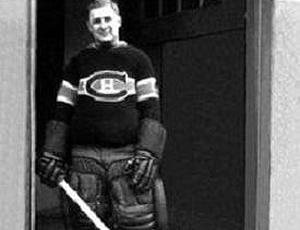
Absurd Goalie Monday: Alphonse "Frenchy" Lacroix


When it comes to goalies, it's always a rough task to come on in an emergency situation like an injury. Even worse back in the olden times when only one goalie dressed at a time as the concept of a back-up hadn't been invented as of yet. However, this week's AGM had the task of going in for, at the time, one of the most heralded teams in the NHL to that point with only an amateur background to boot. This week, the profile of Alphonse "Frenchy" Lacroix.

Lacroix started off as a 16-year-old with Newton High School in Massachusetts in the 1914-15 season, going 5-1-1 in seven games, while in the 1915-16 season; Lacroix would post a 5-2-0 record. In his final high school season, Lacroix went 7-0-1 in eight games.

Post-high school, Lacroix would play in the amateur ranks with the Boston Navy Yard in 1917-18 and posting a 7-4-0 record in a 11 games, as well as playing exhibition games for the Navy Yard in the 1918-19 season. Begining in the 1919-20 season until the 1923-24 season, Lacroix would play for the Boston AA Unicorns across different amateur leagues. Lacroix would go 15-4-0 in the 19 games played in that time-frame and 4-3 in seven playoff games.

Playing in the amateur ranks allowed for Lacroix to be selected for the 1924 Olympics by the USA, where Lacroix went 4-1-0 in his five games played and helped the US to a silver medal. Lacroix would return to the Unicorns for the 1924-25 season, playing in 21 games and ending up with a 15-6-0 record.

In November of 1925, the Montreal Canadiens signed Lacroix as an emergency goalie. When Georges Vezina started to cough up blood on the ice due to an undiagnosed tuberculosis; Lacroix would play in five games and going 1-4-0 before yielding the crease to Herb Rheaume for the duration of the 1925-26 season. Lacroix would spent the 1926-27 season under contract with the Canadiens, but not play a game with them that season.

Lacroix returned to the amateur ranks, playing with the Providence Reds of the Can-Am League in the 1927-28 season, posting a 1-3-0 record in four games. Also that season, Lacroix played for the Lewiston St. Doms in the Northeast League and went 8-12-2 in 22 games played. Returning to the St. Doms in the 1928-29 season, Lacroix went 3-1-0 in four games, then 2-1 in three playoff games. Lacroix would return to the Can-Am League in the 1929-30 season with the Reds again, playing in only one games-- which was a win. In the 1930-31 season, the Boston Tigers would use Lacroix in net for four games, where Lacroix went 1-3-0 before he would retire after the season was over.

Having to come into the NHL with no professional background and take over for a legend like Vezina is a taunting task for someone who actually had professional games under his belt. However, with a silver medal in tow and a decent amateur background-- Lacroix did what he could in the emergency situation.

Monday, July 08, 2013

Absurd Goalie Monday: Don Head

After a week off, the AGM this week focuses on a goalie who stayed to his amateur roots for longer than most in order to play in the Olympics. After that, he took another less taken road by going out west. This week, the profile of Don Head.

Starting in the Junior B system with the Weston Dukes during the 1950-51 season, Head would move forward during the 1951-52 with the Toronto Marlboros for 37 games, winning the Dave Pinkney Trophy for goalie with the best goals-against average for his team. Head would return to Weston for the 1952-53 season to end out his junior career.

Going the amateur route with Senior Hockey, Head played for the Stratford Indians from the 1953-54 season until the 1955-56 season, playing in a total of 74 games over that span. Head moved to the Windsor Bulldogs in the 1956-57 season, where Head would go 30-17-3 in 50 games, six wins by shutout. During the 1957-58 season, Head moved to the Chatham Maroons of the Northern Ontario Hockey Association and would play there for two seasons for a total of 96 games. Returning to Windsor for the 1959-60 season, Head used it as a tune-up for his role for Canada in the Olympics.

Head would pilot the Canadians into a solid position in the Olympics, going 5-1-0 in the seven games he played in, but they were upset by the United States, relegating the Canadians to take silver.

Starting in the 1960-61 season, Head moved onto his pro career with the WHL's Portland Buckaroos, where Head went 38-23-9 in his 70 games, then going 10-4 in the playofs to help Portland to the WHL title-- the Lester Patrick Cup. Head would win the WHL's Rookie of the Year award and Outstanding Goaltender Award for fewest goals-against on the season.

Portland would trade Head to the NHL's Boston Bruins ahead of the 1961-62 season, where Head would play in 38 games for Boston, posting a 9-26-3 record. Head would also spend five games in Portland that season on loan, going 3-1-1 in those games.

The Bruins traded Head back to Portland before the 1962-63 season, where Head would rebound from his NHL downside with a 43-21-6 record in 70 games, then 3-4 in the playoffs-- which was enough for another Outstanding Goaltender Award. Injuries hampered Head for the 1963-64 season, playing in only 16 games and having a record of 6-9-1; but Head would get back to play a majority of the games for Portland in the 1964-65 season, posting a 26-20-4 record in 51 games played, then 8-1 in the playoffs; helping Portland to another Lester Patrick Cup as champions.

Head's workload would decreased starting in the 1965-66 season, playing in only 36 games and finishing with a 20-12-3 record, sharing an Outstanding Goaltender Award with teammate Dave Kelly. During the 1966-67 campaign, Head played in 44 games for Portland, going 26-13-5, then 0-3 in four playoff appearances.

Portland traded Head to the Seattle Totems before the 1967-68 season, where Head would go 23-19-4 in 46 games and then posting an 8-1 playoff record to help the Totems to the Lester Patrick Cup, the team's second in a row. Back for the 1968-69 season, Head played in 44 games for Seattle and compiled a record of 22-13-4 (0-4 in the playoffs), while in the 1969-70 season; Head went 8-10-2 in only 20 games with the Totems. The 1970-71 season would turn out to be the last for Head, going 4-7-3 in 16 games before he would hang up the pads for good.

Head was inducted into the Oregon Sports Hall of Fame thanks to his time and achievements with the Buckaroos.

Though he had a cup of coffee in the NHL (which resulted in a Sports Illustrated cover....sort of) and Olympic glory, Head's contribution in the the semi-pro side of things made him a memorable aspect of Pacific Northwest sports lore. Though it might not be the big time for most, Head make the most of it and succeeded quite well due to it.

Monday, June 24, 2013

Absurd Goalie Monday: Jim Pettie


This installment includes a goalie who has his own attachment to a certain Bruins/Blackhawks match-up, though it was in the beginning of the season rather than the end. For a man they called "Seaweed" due to his hair, he had a small shelf-life, but he'll live on thanks to that and being a main part in a well-known novel. This week, the profile of Jim Pettie.

Starting in the 1972-73 season, Pettie played in the OHA for the St. Catherines Black Hawks for 31 games and registering a 5.04 GAA in that span. It wouldn't deter the Boston Bruins from picking Pettie in the 9th Round of the Draft in 1973.

Pettie made the jump to the pros during the 1973-74 season, playing in the IHL with the Dayton Gems, playing in 118 games between the 1973-74 season and the 1975-76 season (no record provided). During the 1975-76 season, Pettie went 12-3 in the Turner Cup playoffs to help the Gems win the Turner Cup. During that run, Pettie played in the North American League for the Binghamton Whalers for five games.

The Bruins gave Pettie a boost in the 1976-77 season, placing him in the AHL with the Rochester Americans, where he would play 43 games and have a record of 26-15-1, then go 6-5 in the playoffs. Pettie was called up to the Bruins and won his only game; which was the first time a Bruins goalie would play against Bobby Orr-- who was with the Blackhawks at the time.

At the start of 1977 training camp, Pettie was roomed with author George Plimpton as the latter was doing research for his upcoming book, "Open Net." Because of that, Pettie was referenced in the book plenty of times. Pettie returned to Rochester for the 1977-78 season, posting a 16-12-4 record in 32 games, while losing his only game when he was called up to the Bruins. During the 1978-79 season, Pettie was up with the Bruins for most of the season, going 8-6-2 in 19 games as the back-up. Also that season, Pettie went 0-7-1 in nine games with Rochester.

Before the 1979-80 season, Pettie was signed by the New York Rangers, but was placed in the AHL with the New Haven Nighthawks, going 16-13-3 in 33 games; then 1-1 in the playoffs. For the 1980-81 season, Pettie played with the Central League's Birmingham Bulls, playing in 21 games with a GAA of 5.50, while also playing one game for the Eastern League's Richmond Rifles, which was a loss. After that season, Pettie would retire.

Not for long in the NHL or hockey in general, Pettie does live on in a well-known book and has the distinguished honor for being the first Bruin to play against Bruins legend Bobby Orr, so despite not much of a stat-line, he'll always have those things to hang his hat on.

Monday, June 17, 2013

Absurd Goalie Monday: Roberto Romano


This week's AGM is a guy who almost gave up before his career was able to take off. With the pressures of a young starting goalie in a certain market, it was almost too much for this week's goalie-- but he was able to level himself off a bit and made a decent career for himself. This week, the profile of Roberto Romano.

Romano started off in the QMJHL playing for the Quebec Remparts in the 1979-80 season, going 20-14-3 in 52 appearances, then 1-2 in the post-season. During the 1980-81 season, Romano would play in 59 games for Quebec and post an even 24-24-2 record (1-2 again in the post-season), while playing only one game for Quebec in 1981-82, which was a loss. Romano was traded during that season to the Hull Olympiques and played in 56 games and finished with a 34-17-2 record and then 6-7 in the playoffs.

As an undrafted goalie, Romano finished his junior career as a free agent. The Pittsburgh Penguins signed Romano before the 1982-83 season, playing most of that time in the AHL with the Baltimore Skipjacks. With Baltimore, Romano went 19-14-3 in 38 games, then finishing with an 0-3-0 record with the Penguins that season. For the 1983-84 season, Romano went an impressive 23-6-1 with Baltimore before being called up to the Penguins and going 6-11-0 in 18 games. It wasn't a stellar 1984-85 season, as with Baltimore, Romano posted a 2-8-2 record; but in Pittsburgh-- the record of 9-17-2 was enough to make Romano think about retiring after that season.

Trying to earn his teammates and his organizations trust back, Romano fought back in training camp and was somewhat better in the 1985-86 season, finishing with a 21-20-3 record. It was a hectic split season in the 1986-87 season for Romano, spending five games in Baltimore (0-3-0) while also spending 25 games in Pittsburgh (9-11-2) before adding some other destinations to his resume.

On February 6th, 1987, Romano was traded to the Boston Bruins for Pat Riggin. Romano played one game in Boston that season (a loss) and appeared in relief for one game with the team's AHL affiliate, the Moncton Golden Flames, but didn't figure in the decision. The 1987-88 season saw Romano play for the Maine Mariners for 16 games and ended up with a 5-8-1 record.

After that season, Romano went international and went to Italy to play. From the 1988-89 season until the 1992-93 season; Romano played with HC Merano, HC Bolzano, HC Milano Saima, HC Milano, and Romano gained his Italian citizenship; which allowed him to play for Italy in the 1992 World Championships.

Returning to North America in the 1993-94 season, Romano signed again with the Penguins and knew that the IHL's Cleveland Lumberjacks would be the destination of choice. With Cleveland, Romano went 2-7-2 in 11 games; but due to injuries, Romano was called up to Pittsburgh for two games and went 1-0-1 in that times. After that season, Romano hung up the pads.

For a player who was on a subpar team and almost quit because he wasn't playing up to snuff-- Romano was able to actually rebound (all things considered) and make a steady career for himself. It also allowed him to actually get outside of North America and experience his Italian heritage side and representing that nation.

Monday, June 10, 2013

Absurd Goalie Monday: Jack McCartan


While many of the past goalies have toiled at their craft to be successful, this week's AGM took an unusual route. While he may not have been outfitted from the start, he lucked into the position and thanks to his baseball background, he was able to excel in net with a solid glove hand. This week, the profile of Jack McCartan.

McCartan fell into the goalie position, playing the spot in youth hockey when all the players too rotations in net, but didn't have the proper gear for it. McCartan acquire the gear of a friend, which enabled him to play for St. Paul Marshall High School and while his team was often defeated, McCartan played well enough to be name to the All-City Team in his senior season of 1953.

While he was recruited for a baseball scholarship, McCartan was lured back into hockey when at the University of Minnesota by hearing the puck bang against the boards when going to ball practice. After playing for the freshman team to start, McCartan played with the Golden Gophers for 67 games from 1955-56 until 1957-58, being named to the WCHA First All-Star Team in 1957 and 1958, and named to the NCAA First All-American Team in 1958.

McCartan continued his amateur aspirations in order to try out for the Olympic team, playing for the US National Team in the 1958-59 season for 29 games. McCartan did make the 1960 Olympic team, playing the unlikely hero for the underdog team that won the Gold Medal, as McCartan went a perfect 5-0-0 during the games and being named the Best Goaltender for the Olympics.

That exposure was notice by the New York Rangers, who signed him to a try-out contract following the Olympics, where he would play in four games and go 1-1-2 before being sent down to the Central League's Minneapolis Rangers for five games. The 1960-61 season had McCartan play only eight games for the Rangers (1-6-1), then being sent to the Eastern Pro League's Kitchener-Waterloo Beavers for the duration of the season, finishing with a 25-21-6 record in that span and 3-4 in the playoffs. Staying with the Beavers for the 1961-62 season, McCartan played in 70 games and posted a 36-24-10 record, then 3-4 again in the playoffs.

The Rangers would trade off McCartan to the WHL's Los Angeles Blades in the inter-league trade. McCartan played with the Blades for the 1962-63 season, putting up a 31-27-2 record, then 1-2 in three playoff games.

The Chicago Blackhawks would claim McCartan in the inter-league draft before the 1963-64 season, being relegated to the Central Pro League's St. Louis Braves and went 31-30-6 and 2-4 in the playoffs. McCartan only played in five games for the Braves in the 1964-65 season, going 1-4-0 before being on the move again.

The Blackhawks traded McCartan back to the LA Blades for the rest of the 1964-65 season, going 8-22-2 in the last 32 games of that year. McCartan stayed in the WHL for the 1965-66 season for the San Francisco Seals, going 23-27-3 in 53 games, while in the 1966-67 season for the California Seals; McCartan put up a 25-26-10 record, then 2-3 in the playoffs.

The 1967-68 season had McCartan playing in the CPHL again, this time for the Omaha Knights, but would go 9-25-7 in the 43 games he played.

After some summer shuffling, McCartan landed with the San Diego Gulls before the 1968-69 season, posting a 20-14-6 record in his first season there. Coming back for the 1969-70 season, McCartan got more games under his belt, finishing with a 21-20-9 record then 0-3 for the playoffs, while during the 1970-71 season, McCartan finished with a 24-20-11 record and 2-4 in the playoffs. Finally in the 1971-72 season with the Gulls, McCartan played in 36 games and posted a 14-16-2 record, then 0-2 in the playoffs.

With the WHA coming along, it gave McCartan another shot at the pros, as he was picked up by the Minnesota Fighting Saints in the 1972-73 season, playing in 38 games and having a 15-19-1 record, but only saw two games of action in the 1973-74 season for the Saints, but only in relief. McCartan went to the Southen League during the 1973-74 season for the Sun Coast Suns for six games (no record provide) as well. McCartan came back to the Saints for the 1974-75 season for two games, going 1-0-0 before hanging up the pads for good.

Post playing career, McCartan was a scout for the Vancouver Canucks for a time before he retired to Eden Prairie, Minnesota.

For not directly wanting to play goalie, McCartan got a lot of mileage from his career thanks to being able to get equipment from a friend and being lured back into hockey just from the sound of the puck hitting the boards in college. Though he toiled in the minors, his amateur career was more than enough for him to be remembered for the long run.

Monday, June 03, 2013

Absurd Goalie Monday: Michel Belhumeur


When players have seasons to forget, it's mostly because they were underachieving. This week's AGM had a season he and many others would want to forget-- being a part of the worst team in NHL history. This week, the profile of Michel Belhumeur.

Belhumeur started off in the Quebec Junior League with Sorel Eperviers and played in only 11 games over a three seasons span between 1964 until 1967 and would go 3-8-0 in those games. Also in the 1966-67 season, Belhumeur spend time with the St. Jerome Alouettes in the Montreal Midget League, then was on Sorel's roster for the 1967-68 season, but no games were given. During the 1968-69 season, Belhumeur would play with the Drummondville Rangers and play for 34 games.

Despite the lack of play, the Philadelphia Flyers picked Belhumeur in the 1969 Draft in the fourth round. and the Flyers would send Belhumeur to the AHL's Quebec Aces for two games in the 1969-70 season and then in the Eastern League for 14 games for the Charlotte Checkers. During the 1970-71 season, Belhumeur would play in 37 games with the Aces in the AHL and finish with a 12-15-8, the lose his only playoff appearance. The Flyers would move their affiliation to the Richmond Robins, where Belhumeur would end up for the 1971-72 season posting a 20-17-8 record in 45 appearances and was named to the AHL's Second All-Star Team.

Belhumeur would get a chance with the Flyers during the 1972-73 season, playing in 9-7-3 in 23 appearances, while also playing in 12 games with Richmond (no record). For the 1973-74 season, back in Richmond, Belhumeur would compile a 13-23-7 record, then go 1-2 in three playoff appearances.

The Washington Capitals would pluck Belhumeur in the Expansion Draft, which would prove to be rough for all parties involved. During that 1974-75 season, Belhumeur played in 35 games and wouldn't win a game, posting a 0-24-3 record with the only saving grace being the assist Belhumeur recorded-- the first goalie in Caps history to do so. Belhumeur would play in seven games in the 1975-76 season, going 0-5-1 before being sent back down to Richmond to play in the AHL; playing in 45 games and holding a 19-24-2 record and then 2-1 in the playoffs.

As the 1976-77 season rolled around, Belhumeur moved to the Central League with the Tulsa Oilers, finishing that first year with a 17-12-3 in 34 games, then losing his only playoff appearance. The second year with Tulsa in the 1977-78 season, Belhumeur played in 24 games and finished with a 8-14-0 record and then 2-3 in five games.

Starting in the 1978-79 season, Belhumeur moved to the North East League for the Utica Mohawks for 24 games, then to the New Jersey-Hampton Aces in the 1979-80 season for 11 games before retiring from the game.

Belhumeur started his professional hockey with a team called the Aces and ended it with a team called the Aces. With all the craziness that was sandwiched between them is something many would want to forget, especially going winless in a season playing more than 10 games.

Monday, May 27, 2013

Absurd Goalie Monday: Adam Berkhoel

 After a week off, we get back to the swing of things with a short, but sweet career. This week's AGM had a cup of coffee with the NHL after a stellar college career. While he was in a carousel where he was thrown into the fray in a bad situation and really didn't get another look from the NHL teams in a serious manner. This week, the profile of Adam Berkhoel.

After spending his high school in Minnesota with the Stillwater Ponies, Berkhoel moved to the USHL to play for the Tri-Cities Vulcans; playing 45 games with a 25-15-7, then went 7-6 in 13 playoff games.

Berkhoel moved to the NCAA ranks starting in the 2000-01 season with the University of Denver Pioneers, playing in 15 games his first season and finished with a 7-6-1 record, while in the second season-- Berkhoel played in 18 games with an improved 12-4-1 record. For his junior season, Berkhoel played in 26 games and posted a 12-6-4 record. During his senior season, Berkhoel had a tremendous breakout-- posting a 24-11-4 record in 39 games and helped Denver get an at-large bid in the NCAA Tournament where he helped lead the Pioneers to the National Championship. Berkhoel was named to the All-Tournament Team and Tournament MVP.

While Berkhoel was in college, he was drafted by the Chicago Blackhawks, but in the summer of 2004, the Hawks moved Berkhoel to the Atlanta Thrashers. During the 2004-05 season, Berkhoel spent most of the time in the ECHL with the Gwinnett Gladiators and finished there with a 9-10-5 record, then going 4-1 in seven playoff games. Also that season, Berkhoel was moved up to the AHL for the Chicago Wolves for a game, losing the only game that he played in.

Berkhoel played in all three top pro leagues in North America during the 2005-06 season, spending most the season in Gwinnett at 15 games (10-4-1), then in Chicago for 11 games (3-6-0), finally; getting a call-up to the Thrashers for nine games (2-4-1). Berkhoel also had a 6-3 playoff record with Gwinnett.

Without a team for the 2006-07 season, Berkhoel played mostly in the ECHL with the Dayton Bombers, potting a 23-17-3 record, then going 12-10 in the post-season, losing in the Kelly Cup Finals. Despite the disappointing ending, Berkhoel was named ECHL Goaltender of the Year and placed on the ECHL First All-Star team. Also that season, Berkhoel played in the AHL for the Rochester Americans, finishing with a 2-3-0 record in six games.

Berkhoel was signed by the Detroit Red Wings in the summer of 2007 and would play for the Grand Rapids Griffins in the 2007-08 and go 10-14-4 in 31 appearances. Moving to the 2008-09 season, Berkhoel moved to the Wilkes-Barre/Scranton Penguins, where he would appear in 28 games and finish with the 15-11-2 record. Berkhoel played with WBS again for the 2009-10 season, playing in seven games and had a 4-3-0 record. Most of the 2009-10 season, Berkhoel went 12-11-3 in 28 games with the ECHL's Wheeling Nailers. After the season, Berkhoel retired from professional hockey.

Post-playing career, Berkhoel went into the player representation game by being a player rep for Vaughn Hockey for goalies in the pro and college ranks to outfit them with the Vaughn gear.

Though it was only nine games of glory and he ended his career at the young age of 29, his college career is one to be remembered, especially for the University of Denver faithful. Short and sweet and he still kept in the hockey industry and very closed to the game.

Monday, May 13, 2013

Absurd Goalie Monday: Marc Behrend


While we get through the playoffs, we move to a goalie who was great in the college playoffs and helped a team get to their first NHL series win. This week's AGM had a soft spot for his hometown though and gives back to the community that gave so much to him. This week, the profile of Marc Behrend.

After graduating from LaFollette High School in Madison, Wisconsin; Behrend went to play for the University of Wisconsin starting in the 1980-81 season, finishing with an 11-4-1 record and helping the Badgers to a National Championship; where Behrend would go onto the All-Tournament Team and win Tournament MVP, as well. For the 1981-82 season, Behrend compiled a 21-3-1 record and would go to the WCHA Second All-Star Team, but for the 1982-83 season; Behrend went 17-1-1, helping the Badgers to another National Championship where he would, again, go the All Tournament Team and win Tournament MVP-- only the second player in NCAA history to do so.

Despite being drafted by the Winnipeg Jets in 1981, Behrend decide to play for the US National Team instead to start off the 1983-84 season in preparation for the 1984 Olympics. Behrend played 33 games in warm-up for the event, and then 1-2-1 in four Olympics games.

Behrend would move to the Winnipeg Jets at the end of the 1983-84 season, playing in six games and posting a 2-4-0 record, then went 0-2 in the playoffs. In the 1984-85 season, Behrend went to the AHL to start, playing in seven games with the Sherbrooke Canadiens and posting a 2-3-2 record before being called up to Winnipeg, going 8-10-3 in 24 games then having a 1-1 record in four playoff games, the win being in the first series-clinching win for the Jets in the NHL. The majority of the 1985-86 season had Behrend staying Sherbrooke while posting a 16-5-2 record, then recalled for nine games in Winnipeg with a 2-5-0 record. With the 1986-87 season coming up, the Jets would keep Behrend in Sherbrooke, where Behrend would play in 19 games and compile an 8-5-0 record, then one loss in his only playoff appearance. Behrend would retire after that season.

Post retirement, Behrend returned to his home in Madison, Wisconsin to become a firefighter for the Madison Fire Department, which are his last known whereabouts. Behrend was also named to the NCAA All-Time Tournament Team in 1997.

Making a splash was something that Behrend did with his venture into college hockey, but on a team with a logjam in net and in desperate need for a critical stopper, Behrend got buried in the fold. However, he was able to get a life after hockey-- something that he seemingly is happy with and has some memories of his time in the big time with him always.

Monday, May 06, 2013

Absurd Goalie Monday: Gilles Villemure


This past weekend was the Kentucky Derby and this is a tie-in to that...sort of. While you could define this goalie as a work horse, he also was able to have a passion for the stables, as well as between the pipes. This week, the profile of Gilles Villemure.

Villemure started of with the Quebec Junior League's Trois-Rivieres Reds in the 1958-59 season, while also going to the International League's Troy Bruins for three games, registering a 2-1-0 record. In the 1959-60 season, Villemure moved to the Ontario Hockey Association with the Guelph Biltmores, playing in 35 games there, but no record given for that year.

Moving onto the pro ranks in the 1960-61 season, Villemure would go to the Eastern League and play for the New York Rovers. With the Rovers, Villemure played in 51 games and posted a 16-34-1 record. During the 1961-62 season in the EHL, Villemure played for the Long Island Ducks and put up a 25-39-1 record in 65 games, as well as being loaned out for one game for each the Charlotte Checkers (loss) and Johnstown Jets (win).

In the 1962-63 season, Villemure would land with the Western League's Vancouver Canucks, playing in 70 games and posting a 35-31-4 record, then 3-4 in the playoffs, a season where Villemure was WHL Rookie of the Year. Villemure would go to the AHL with the Baltimore Clippers in the 1963-64 season, playing in 66 games and finishing with a 31-33-2 record while being called up to the NHL for a five-game stint with the New York Rangers, going 0-2-3 in that span.

Back to the Canucks in the 1964-65 season, Villemure appeared in 60 games and recorded a 27-26-6 record, then 1-4 in the playoffs; while in the 1965-66 season, Villemure went 32-34-3 and 3-4 in the playoffs for the Canucks.

A move back to Baltimore and the AHL for Villemure in the 1966-67 season, playing in 70 games and posting up a 34-27-9 record and going 4-5 in the playoffs. During the 1967-68 season, Villemure stayed mostly in the AHL, but with the Buffalo Bisons; going 18-13-6 in 37 games. That season, Villemure played four games for the Rangers, going 1-2-0. Back with the Bisons in the 1968-69 season, Villemure had a remarkable 36-12-14, though a 2-4 playoff record didn't help-- but it would allow Villemure to win the Les Cunningham Trophy for AHL MVP and Hap Holmes Trophy for fewest goals against. Doing it again in the 1969-70 season, Villemure won the Cunningham and Holmes Trophy (no record given for his 65 games played), as well as going 11-4 in the playoffs to help the Bisons win the Calder Cup.

The Rangers finally gave Villemure a chance in the 1970-71 season, splitting his duty with Eddie Giacomin. Playing in 34 games that year, Villemure went 22-8-4-- helping himself and Giacomin win the Vezina Trophy that season. During the 1971-72 season, Villemure played in 37 games and posted a 24-7-4 record and then went 4-2 in the playoffs; while the 1972-73 season brought a 20-12-2 record in only 34 games for Villemure, but it would account for his third straight season playing in the All-Star Game. A drastic drop for Villemure in the 1973-74 season, playing in only 21 games and posted a 7-7-3 record, while his workload increased in the 1974-75 season, playing in 45 games and finishing with a 22-14-6 record.

Prior to the 1975-76 season, the Rangers shipped Villemure off to the Chicago Blackhawks for Doug Jarrett. With Tony Esposito dominating the net time, there was little games for Villemure to appear in. In only 15 games in the 1975-76 season, Villemure went 2-7-5; while during the 1976-77 season, Villemure finished with an 0-4-1 record in only six appearances. After that, Villemure hung up his pads.

An avid horse lover, Villemure turned to training harness horses after his career was done. During his career, Villemure raced harness horse in the off-season. When his career was over, he turned to it full-time.

Villemure admittedly lived his dream of playing in the NHL and was also able to partake in his other passions of horse racing. While he could have had a better fate by sticking around with the Rangers, the success he had on Broadway and in the minor leagues helped him become one of the more recognized "absurd" names.

Monday, April 29, 2013

Absurd Goalie Monday: Gary Kurt


While the average goalie in the NHL seems to be getting bigger and bigger-- this week's AGM is probably one of the first "big men" between the pipes. Standing a 6'3 and 205lbs. right-handed catch goalie, he fooled many a shooter due to his reach, "backwards" gloves, and filling the net; but thanks to happenstance beyond his control-- he never could make a mark in the NHL, but luckily-- there was an alternative. This week, the profile of Gary Kurt.

Kurt started his journey to with the Kitchener Rangers of the OHL. Spending four years there, Kurt played in 57 games from 1963-64 until 1966-67 and ended with a 4.45 GAA, as no other record was available. After his junior time, Kurt played for the Central Pro League's Omaha Knights posting a 5-21-3 record in 34 games in 1967-68, while Kurt played in 25 games in the 1968-69 season (no record provided).

Moving onto the AHL in the 1969-70 season, Kurt landed with the Cleveland Barons; appearing in 40 games the first season (no record) and then 42 in the 1970-71, where Kurt would finish with a 24-12-3 record, then going 4-3 in seven playoff appearances. That performance garnered Kurt a Second Team All-Star nod and allowed him to win the Hap Holmes Trophy for fewest goals-against in the AHL.

Kurt finally got a jump in the 1971-72 season as the California Golden Seals took a chance and played Kurt in 16 games that season, where he finished with a 1-7-5 record for the lowly club. Conversely, Kurt also played in the AHL for the Baltimore Clippers, finishing with a 12-4-1 record in 17 appearances.

After that season, Kurt moved to the new WHA in order to get a better chance. To start in the 1972-73 season, Kurt played for the New York Raiders; appearing in 36 games and posting a 10-21-0 record. The 1973-74 season saw Kurt play with the New York/New Jersey Knights and played in 20 games compiling an 8-10-0 record. Also that season, Kurt played in the North American League for 24 games on an assignment.

The WHA Expansion brought the Phoenix Roadrunners into the fold, where they would select Kurt in the draft. During the 1974-75 season, Kurt played in 47 games for Phoenix and posted a 25-16-4 record and then a 1-2 record in four playoff games. In the 1975-76 season, Kurt played in 40 games with the Roadrunners and posted a 18-20-2 record, while during the 1976-77 season-- Kurt posted an 11-19-1 record in 33 appearances.

During the 1977-78 season, Kurt played only three games for the Central League's Oklahoma City Blazers (no record) before retiring from pro hockey. After a year hiatus, Kurt returned to play in the Ontario Senior League with the Cambridge Hornets for 19 games before giving up the game for good.

A big goalie ahead of his time, Kurt had to deal with being put on an expansion team in the NHL; which knee-capped his career there in the big league. Luckily for him, the WHA was able to pan out to give him a memorable identity for those who followed that rival league. Yet, many would have to wonder that if there wasn't a logjam elsewhere if he could have been a solid goalie-- especially for his size.

Monday, April 22, 2013

Absurd Goalie Monday: Mike Moffat


Talking about going with a hot hand into the end of the season and into the playoffs, that's what this AGM did right out of the gate. However, through some happenstance and just mental drain, he was not able to fully have a lasting career. This week, the profile of Mike Moffat.

Moffat made his mark on the junior scene starting in the 1979-80 season with the OHL's Kingston Canadians, going 7-7-1 in 21 appearances, then losing one of the two playoff appearances he had. Moffat jumped into the starting role in the 1980-81 season, playing in 51 games, finishing 33-21-3 while going 6-6 in 14 playoff games. During the 1981-82 season, Moffat played in 46 games for Kingston, pacing himself to a 19-21-4 record, then 0-1 in four playoff games.

However, the peak of the 1981-82 season was Moffat's selection to the Canadian World Juniors team and being the starting goalie. Moffat would go 3-0-1 in four games on the way to a Canadian gold medal. Moffat was named Best Goaltender in the tournament and to the All-Star Team in the tournament.

A draftee of the Boston Bruins in 1980, Moffat was called up after the 1982 playoffs by the Bruins and he was thrown into the cage immediately, going 2-0-0 in his two games of the 1981-82 season, then posted a 6-5 record in 11 playoff games with the Bruins. During the 1982-83 season, Moffat only played 13 games with the Bruins and put up a 4-6-1 record. The other half of that season, Moffat was with the AHL's Baltimore Skipjacks, going 5-8-3 in his 17 appearances.

The bulk of the 1983-84 season saw Moffat in the AHL with the Hershey Bears, playing in 30 games and finishing with a record 8-13-4, while also going 1-1-1 in four games of action with the Boston Bruins. Staying in the AHL in the 1984-85 season, Moffat was playing for the Cape Breton Oilers and would lose the only game he played in. After that, he announced his retirement from professional hockey.

Hockey wasn't done overall for Moffat, as he would go to play Canadian college hockey with Wilfrid Laurier University in the 1985-86 season, finishing with a 5-1-0 record in six games. During the 1986-87 season, Moffat took his turn at the Canadian National Team in hopes of trying out for the 1988 Olympics. Moffat went 2-3-1 in six games and did not play beyond that stint, retiring for real after that.

It wasn't until later that it was made public that Moffat wasn't able to handle the nerves and pressure professional hockey brought. Moffat was homesick, dealt with insomnia, and chronic headaches. After getting out of hockey, Moffat turned to Canadian hardware store Rona, where he is an outside sale representative for the company. Moffat stills played in an Over-40 league, but never in goal.

Moffat said himself that if you didn't want the job, a dozen goalies were waiting in the wings. Especially in the 1980s, it was probably much more horrifying than it is today. Though he was able to show signs of greatness, Moffat wasn't able to take the grind-- probably one of the few to actually admit that.

Monday, April 15, 2013

Absurd Goalie Monday: Johnny Mowers


As was with the time, this week's AGM had his career cut short due to World War II. However, in his short career, he had a lot of team and individual achievements; even though he was involved in the first biggest comeback in playoff history when he team gave up a 3-0 series lead. This week, the profile of Johnny Mowers. 

Mowers' trek is first noted when he played Senior leagues for the Niagara Falls Cataracts in the 1935-36 season, even though he would only play in the Allan Cup for two games that season. Mowers would go onto play 54 games between the 1936-37 season and 1938-39 season for Niagara Falls, as well as 16 additional playoff games; though no records are given. 

Before the 1939-40 season, the Detroit Red Wings would sign Mowers to a contract, but place him in the Michigan-Ontario League to start out with. While with the Detroit Pontiacs of the MOHL, Mowers played in 20 games before being promoted to the AHA's Omaha Knights, where he would play in 21 games and finish the year with a 16-5-0 record. 

The Red Wings would call on Mowers to start for them in 1940-41 season, starting 48 games and posting a 21-16-11 record, with a 4-5 playoff record. It was a little rougher in the 1941-42 season, where Mowers would go 19-25-3 for the Red Wings, but finish with a 7-5 playoff record-- one win short of a Stanley Cup. The redemption season for Mowers came in 1942-43, playing in 50 games and compiling a 25-14-11 record, then winning the Stanley Cup with an 8-2 record. In addition to the Cup, Mowers won the Vezina Trophy for top goalie, as well as making the NHL First All-Star Team. 

Along with some other players, Mowers left the NHL for the Royal Canadian Air Force. Mowers played with the RCAF in the 1943-44 season and would go 3-6-0 in nine games. Though he missed the 1944-45 season while serving, Mowers played for the Wembley Lions in the 1945-46 season. 

Mowers returned to the Red Wings in the 1946-47 season, he would only play in seven games and finish with a 0-6-1 record and was bothered by a back injury for most of the season. During the 1947-48-- Mowers played with the AHL's Indianapolis Capitols for two games, going 1-1-0 in that time before retiring due to that back injury. Not much was heard from Mowers after that and he would pass away in 1995.

While having a short-span in the NHL, Mowers made a big mark in the NHL with his strong play for two of this three full seasons. Though it was cut short, Mowers did what he thought was right when he went to serve his country. Even though Mowers didn't last too much longer when he came back; Mowers will forever be remembered, if only as a footnote in the trophy department. 

Monday, April 08, 2013

Absurd Goalie Monday: Rob Holland

As greatness retires, it's always big shoes to fill. This week's AGM is one guy who didn't get the chance to make his mark after a legendary goalie because he didn't develop fast enough in the minors. While he did make a name in the minors, his short time in the NHL is something he would probably want to actually make up for. This week, the profile of Rob Holland.

In the 1974-75 season, Holland started playing in Junior A with the Longueuil Lions; where he would play for 36 games. Moving up to the QMJHL's Montreal Juniors, Holland played 37 games in the 1975-76 season, finishing with a 17-16-2 record, then 2-4 in the playoffs. For the 1976-77 season, Holland stayed with the Juniors and went 17-21-3 in 45 games before going 4-7 in 13 playoff appearances.

The Montreal Canadiens selected Holland in the 4th Round of the 1977 Draft and for the 1977-78 season, placed him in the AHL with the Nova Scotia Voyageurs, where Holland would finish with a 13-14-11 record, as well as finishing with a 2-3 playoff record. Back in Nova Scotia for the 1978-79 season, Holland played in 43 games and posted a 18-19-2 record, while losing his only playoff appearance. Holland and Maurice Barrett would share the Hap Holmes Award for fewest goals against in the AHL.

With Ken Dryden retiring, and Holland not progressing as the Canadiens had thought; the Habs sent Holland and Pat Hughes to the Pittsburgh Penguins for Denis Herron and a pick. For the 1979-80 season with the Penguins, Holland played in 34 games and finished with a 10-17-6 record. In the 1980-81 season, Holland bounced around-- playing for the Penguins for 10 games (1-5-3), then moved to the AHL with the Binghamton Whalers for seven games (1-4-0), and landed finally in the Central League with the Indianapolis Checkers for 15 games (6-6-2).

In the summer of 1981, the Penguins traded Holland's right to the New York Islanders, but Holland spent the 1981-82 season with the Indianapolis Checkers, playing in 30 games and compiling a 15-11-1 record, being a part of the Adams Cup winners with the Checkers, and sharing the Terry Sawchuk Trophy for fewest goals-against with Kelly Hrudey. Also in 1981-82, Holland spent seven games with the IHL's Toledo Goaldiggers. During the 1982-83 season, Holland returned to Indianapolis and played in 38 games; finishing with a 24-11-1, then 2-1 in the playoffs on his way to a second straight Adams Cup championship, as well as a second straight Terry Sawchuk Trophy with Hrudey.

Holland returned to Indianapolis in the 1983-84 season, but the record didn't go with him through history. However, as the Checkers moved to the IHL, Holland did too-- playing in 57 games during the 1984-85 season and sporting a 23-29-3 record. In the 1985-86 campaign, Holland played in 39 games for Indianapolis (conflicting records provided), as well as moving to the AHL's Springfield Indians for eight games and finished there with a 6-2-0 record.

Finally in the 1986-87 season, Holland moved to the Milwaukee Admirals of the IHL and played in 66 games in the regular season and six in the post-season. After that season, Holland would retire from hockey.

While he had the chance to follow in the footsteps of the legend, his team didn't believe in Holland's abilities to take over the workload. When he did get his chance, Holland wasn't on the right team with the support he could need. While he did gang-busters in the minors, he was never able to get back to the pinnacle of the NHL after his cup-of-coffee.

Monday, April 01, 2013

Absurd Goalie Monday: Ed Chadwick


With little jobs during the Original Six era for goalies, the need for longevity was a must. This week's AGM was an unlikely source for being that longevity-- a record that actually still stands with the team's history today. This week, the profile of Ed Chadwick.

Starting in the 1950-51 season, Chadwick played in the OHA-Junior league with the St. Michael's Majors and would play there for three seasons until the 1952-53 season in a total of 135 regular season games and 24 playoff games (13-11).

Also during the 1952-53 season, Chadwick played with the AHL's Pittsburgh Hornets for a game, which was a win. Chadwick spent two games with the Hornets during the 1953-54 season going 1-1-0, but would also spend time with the OHA-Senior league's Stratford Indians for four games. During the 1954-55 season, Chadwick spend the majority of the year with the Sault Ste. Marie Greyhounds of the NOHA, playing 38 regular season and 14 playoff games (no records given); plus Chadwick spent two games with the AHL's Buffalo Bisons, posting a 1-1-0 record.

During the 1955-56 season, Chadwick spend the majority of the season with the Winnipeg Warriors of the Western Hockey League, compiling a 39-27-2 record in the regular season and a 16-4 playoff record, helping the Warriors to the Lester Patrick Cup as league champions and Edinburgh Cup as top minor professional team in Canada. During the season, Chadwick got a chance to move to the NHL with the Toronto Maple Leafs when Harry Lumley went down to injury. In five games, Chadwick finished with a 2-0-3 record with the Leafs.

Chadwick stayed up with the Leafs in the 1956-57 season, playing in all 70 games and finishing with a record of 21-34-15. In another full 70-game season for Chadwick in 1957-58, the record at the end would be 21-38-11. Those 140 consecutive games is still a Leafs record to this day. During the 1958-59 season, Chadwick only played 31 games for the Leafs and would finish with a 12-15-4 record, while in the 1959-60 season, Chadwick posted a 1-2-1 record in four games.

The bulk of the 1959-60 season, Chadwick was sent to the AHL's Rochester Americans, playing in 67 games and finishing with a 39-24-4 record and then 5-7 in the playoffs. Chadwick would received the Hap Holmes Trophy for fewest goals-against in the AHL and was on the AHL First All-Star Team. Returning to Rochester in the 1960-61 season, Chadwick finished with a 32-35-4 in 71 games.

Chadwick moved to the Kingston Frontenacs for the 1961-62 season, playing 67 games and finished with a 36-23-8 record, then going 6-5 in the playoffs. During that run, Chadwick was traded from the Leafs to the Boston Bruins for Don Simmons, and Chadwick would play four games and put up a 0-3-1 record.

In the summer of 1962, Boston traded Chadwick with Barry Ashbee to the Detroit Red Wings for Bob Perreault. Chadwick never played in Detroit, being sent right to the Hershey Bears of the AHL for the 1962-63 season and had a 34-26-7 record in the regular season with an 8-7 record in the playoffs. Back in Hershey for the 1963-64 season, Chadwick went 31-22-5 in 57 games and 3-3 in the playoffs.

The Bears would traded Chadwick to the Chicago Blackhawks in the summer of 1964, who would place him with the Buffalo Bisons in the AHL for the 1964-65 season; where Chadwick would finish with a 33-21-6 record, then 5-4 in the playoffs. Chadwick's time would decrease significantly in the 1965-66 season, playing in only 34 games and finishing with a 14-18-1; while in the 1966-67 season-- Chadwick posted a 5-23-2 in 36 games. Finally in the 1967-68 season, Chadwick only played in 18 games and put up a 5-8-1 record and would retire at the end of the season.

After his career was done, Chadwick took some time away, but would reappear as a scout for the Edmonton Oilers. While with the Oilers, Chadwick would be apart of five Stanley Cup teams with the Oilers (1984, 1985, 1987, 1988, 1990) and has his name on the Cup three times with the 1985, 1987, and 1990 teams.

Being put in the place of a future Hall of Fame goalie in his first job, the pressure was on Chadwick and while he did what he could with the teams that were in front of him, he wasn't able to get the break he may have deserved because of the limited jobs available during his prime. While his minor-pro days do have many bright spots, his NHL time wasn't as splendid for him-- even though he has been able to keep that "iron man" record in net alive to this date.

Monday, March 25, 2013

Absurd Goalie Monday: Bruce Bullock


As the NCAA Selection Sunday for hockey was named yesterday, this week's AGM was a stud in the college scene in his time, while being recognized for his short-tenure as a goalie of the decade. While his NHL career was short-lived, he'll forever live in the memories and record books of the fans of the 1970s. This week, the profile of Bruce Bullock.

Bullock first came onto the scene with the Clarkson University Knights in the 1968-69 season, where he would play in 28 games and finish with a record of 19-7-2. During the 1969-70 season, Bullock had a huge year going 25-2-0 in 27 games, helping lead Clarkson to the NCAA Finals, losing to Cornell. However, Bullock was named to the All-Tournament Team and the NCAA East All-American Team. For the 1970-71 season, Bullock played amazing again-- posting a 28-1-1 record in 30 games, leading Clarkson to the ECAC title game, but lost to Harvard. Despite the loss, Bullock was against named to the NCAA East All-American Team, as well as the ECAC First All-Star Team and ECAC Player of the Year. He was named to the ECAC All-Decade Team for the 1970s.

Bullock left Clarkson and signed on with the Chicago Blackhawks starting in the 1971-72 season. While demoted to the Central League's Dallas Black Hawks, Bullock went 0-2-1 in five games before Chicago would sell his rights to the Vancouver Canucks. Bullock moved to the Western League to play for the Seattle Totems and would finish the 1971-72 season with a 3-7-0 record in 10 games there.

Remaining in Seattle for part of the 1972-73 season, Bullock posted a 7-6-0 record in 13 games. Bullock would be called up to Vancouver due to injuries and would finish with a 3-8-3 record in 14 games. The 1973-74 season saw Bullock back in Seattle, putting up a 22-20-3 record in 46 games with the Totems, while in the 1974-75 season, Bullock posted a 14-20-7 record in Seattle, then losing his only appearance in Vancouver.

During the 1975-76 season, Bullock played first for the North American Pro League's Beauce Jaros, playing in 19 games before catching on with another Central League team, the Tulsa Oilers. With the Oilers, Bullock when 13-3-0 in 17 games and a perfect 6-0 in the playoffs to capture the Adams Cup. At the end, Bullock won his last eight regular season games and all six playoff games-- the longest win streak for an Oilers goalie until Rod Branch broke that record in 2002.

Bullock stayed in Tulsa for the 1976-77 season, putting up a 20-14-6 record, then 4-4 in the playoffs; while also appearing in a game with the Canucks, which was a no-decision.

The Pacific Hockey League was Bullock's last destination, playing with the Phoenix Roadrunners in the 1977-78 and 1978-79 season for a total of 62 games. In the 1977-78, Bullock was named to the Second All-Star Team. After this, Bullock retired.

While his promising college career was not indicative of his professional success, what he didn't get in the NHL, he made up for in the slightest for his minor-pro career. With a record that stood for 26 years, Bullock can rack up his lack of NHL prowess on an expansion team and too many cooks in the front office kitchen.

Monday, March 18, 2013

Absurd Goalie Monday: Jack Gelineau


When it comes to heroes, this week's AGM could be considered one. Not for his work on the ice, though, but what he did off of it. Serving his country was something that may have put a hiccup in his professional hockey career, but what he did during the war was something more spectacular and notable. This week, the profile of Jack Gelineau.

Gelineau started his trek in the high schools of Quebec with Montreal Catholic High in the 1942-43 season before going to juniors in 1943-44 with the Toronto Young Rangers, putting together a 1-9-1 record in 11 games, while also playing four games for the Toronto CIL of the Toronto Midget League, going 0-4-0.

Towards the end of the 1943-44 campaign, Gelineau went into the Royal Canadian Air Force and would play out the rest of the year for the Toronto RCAF, going 5-2-0 in seven games, then 0-1 in the playoffs. Gelineau would move to the Montreal RCAF in the 1944-45 season, playing in only eight games and five in the playoffs. Gelineau would be discharged from the RCAF after the war. Due to surviving a plane crash and rescuing a crew member from a fiery plane, Gelineau would get the British Empire Medal for gallantry.

At the end of the 1944-45 season, Gelineau would play for the Montreal Jr. Royals for five games and would go 2-3-0.

At the start of the 1945-46 season, Gelineau would go to play for McGill University going 13-2-0 in 15 games his first season, while helping McGill win the Queen's Cup. In the 1946-47 season, Gelineau went 10-5-1 in 16 games for McGill, while then going 14-6-0 in 20 games in the 1947-48 season. Gelineau would receive the 1st Forbes Trophy for male athlete of the year at McGill. In his last year with McGill, Gelineau went 3-3-0 in six games before graduating with a Bachelor of Commerce degree.

The Boston Bruins picked up Gelineau and played in four games for the Bruins at the end of the 1948-49 season, going 2-2-0. Gelineau went to be the starter of the Bruins for the 1949-50 season, tallying a 22-30-15 record in 67 games, which allowed Gelineau to take home the Calder Trophy for Rookie of the Year. In the 1950-51 season, Gelineau played all 70 games and posted a 22-30-18 record, then 1-2 in three playoff games.

Before the 1951-52 season, Gelineau signed with the Quebec Aces-- but still was property of the Bruins in the NHL. With the Aces, Gelineau went 6-4-2 in 12 regular season games and 8-4 in 12 playoff games, helping them win the Quebec Senior League. Gelineau played 21 games in the 1952-53 season, finishing with an 8-9-4 record, then going 13-8 in 21 playoff games. Back with Quebec in the 1953-54 season, Gelineau went 24-27-6 in 57 games, as well as playing 14 playoff games in another Quebec Senior League championship.

Also during the 1953-54 season, Gelineau's rights were traded from Boston to the Chicago Blackhawks, where he played for two games and lost them both.

In the 1954-55 season, Gelineau went back to Quebec to play with the Aces and went 4-7-0 in 11 games, then 1-3 in the playoffs before he would hang up the pads for good.

Gelineau passed away in November 1998.

A hero in the war is what Gelineau should be most noted for. While he did have a brief time in the NHL and some success in the senior leagues, it wasn't as widely noted as his time with the Royal Canadian Air Force.

Monday, March 11, 2013

Absurd Goalie Monday: Tim Bernhardt


In this week's AGM-- many things to be taken away were the disorganization of his organizations goaltending situations could be the reason for his career demise. However, if nothing else can be taken away,  this week's AGM was involved in two franchise relocations while he was on the roster. This week, the profile of Tim Bernhardt.

Starting in the 1974-75 season, Bernhardt got started with the Sarnia Army Vets Junior A team, but would soon move onto the QMJHL to play for the Cornwall Royals, where Bernhardt finished the 1975-76 season with a 24-16-9 record in 50 games, then a 4-4 record in the playoffs. In the 1976-77 season, Bernhardt played in 44 games and finished with a 24-12-6, then going 4-5-3 in 12 playoff games (ties happened in the QMJHL playoffs, with goals counting toward the final total). During the 1977-78 season, Bernhardt recorded a 35-13-5, then went 5-4 in the playoffs; as well as playing in the World Juniors for Canada, in which they would take home a Bronze Medal.

The 1978 Draft saw Bernhardt selected by the Atlanta Flames in the 3rd Round, which placed him in the minor league Tulsa Oilers of the Central League for the 1978-79 season, posting a 15-26-3 record in 46 games. Staying in the Central League, but with the Birmingham Bulls in the 1979-80 season, Bernhardt had a 15-16-1 record in 34 games, then 1-2 in the playoffs. Back with Birmingham in the 1980-81 season, Bernhardt had a 11-13-2 record, but in the 1981-82 season; Bernhardt played only 10 games in the Central League with the Oklahoma City Stars (1-8-0), before getting a call-up to the AHL and the Rochester Americans, playing in 29 games with a 15-10-2 record with a 4-3 record in nine playoff games.

In the 1982-83 season, Bernhardt spent most of his time back in the Central League, but with the Colorado Flames, compiling a 19-11-1 record in 34 games, then going 2-3 in the playoffs. Also that season, Bernhardt got the call-up to Calgary, where he would go 0-5-0 in six appearances with the Flames.

The Flames did not give Bernhardt a contract after that season, so he went to the AHL and signed on with the St. Catherines Saints for the 1983-84 season, putting together a 25-13-4 record in 42 games, then 2-3 in the playoffs. Bernhardt played 14 games with St. Catherines in the 1984-85 season (5-7-2) before having the Toronto Maple Leafs sign him, where he would spend the rest of the season for 37 games (13-19-4). Bernhardt started the 1985-86 season in Toronto, playing in 23 games, but going a dismal 4-12-3; thus earning him a trip back to St. Catherines, where he would put up a 6-4-2 record, then going 0-3 in the playoffs.

With the 1986-87 season, the Saints moved to Newmarket, where Bernhardt would go 6-17-0 in 31 games, while also appearing in relief for one Maple Leafs' game. For the 1987-88 season, Bernhardt was back in Newmarket, posting a 22-19-4 in 49 games, while in the 1988-89 season-- he would put together a 17-16-2 record in 37 games. Closing out in the 1989-90 season, Bernhardt would only play in 14 games and have a 4-7-1 record for his duties. After that season, Bernhardt would hang up his pads.

After hockey, Bernhardt went into scouting-- joining the Dallas Stars staff in 1993, being promoted to Director of Amateur Scouting in 1998, but let go by the team in 2011.

While stuck in the minor and then trying to get through the Ballard years in net for the Maple Leafs, Bernhardt didn't get a too much a chance to shine when he was given the chance. While he did have some ups and downs in the minors, the downs may not have been able to be helped considering the organizations he was in.

Monday, March 04, 2013

Absurd Goalie Monday: Jimmy Franks


This week's AGM is a guy who got passed around from team to team, but never got traded once. He played in a time where injury and war stripped many teams of their players and goalies-- which is where a back-up or third-string goalie would not only provide depth, but also give options for other teams. This week, the profile of Jimmy Franks.

Franks started in the South Saskatoon Junior League with the Regina Pats, playing in two regular season games in the 1932-33 season before helping the Pats get to the Memorial Cup finals with a 7-3-3 record, but going 0-2 in the Memorial Cup Finals to lose to the Newmarket Redmen. The 1933-34 season had Franks stay in the SSJHL, but with the Melville Millionaires, but he would be in the Junior "A" league in the 1934-35 season with the Kerrobert Tigers.

With Franks advancing to the Senior Leagues, he moved to the Prince Albert Mintos of the North Saskatchewan Senior League for the 1935-36 season, playing in 18 games with an 11-6-1 record, then going 5-2 in seven games of the Allan Cup playoffs.

The Detroit Red Wings signed Franks in May of 1936 and put him in the AHL with the Pittsburgh Hornets in the 1936-37 season, playing 20 games and finishing with a 8-9-3 record, then going 1-0 in the playoffs. However, due to an injury to goalie Normie Smith; Franks got called up to the Red Wings for the playoffs-- lossing his only appearance, but still got his name engraved on the Stanley Cup that the Red Wings won. Franks returned to Pittsburgh for the 1937-38 season, going 3-4-2 in nine games, while winning his only game as a call-up to the Red Wings. Franks again returned to Pittsburgh for the 1938-39 season, sporting a 16-14-3 record in the 33 games he played, as well as playing a game with the Syracuse Stars in the AHL (a tie) and four games with the AHA's Kansas City Greyhounds (3-1-0).

Staying in the AHL, Franks played for the Indianapolis Capitols for the 1939-40 season, playing for 29 game and finishing with a 16-7-6 record. Staying in Indianapolis for the 1940-41 season, Franks played in 56 games and compiled a record of 17-28-11. In the 1941-42 season, Franks returned to the AHA and played for the Omaha Knights and went 19-14-6 in 39 games and then a perfect 8-0 in the playoffs to win the last AHA championship, the Harry T. Sinclair Trophy.

It was an odd 1942-43 season as Franks was loaned out to the New York Rangers by the Red Wings as a war-time replacement for Jim Henry. With the Rangers, Franks played in 23 games and posted a 5-14-4 record. Also that season, Franks played with the Pittsburgh Hornets of the AHL and had a 1-3-0 record in four games of work.

For the 1943-44 season, the Red Wings and Franks were at odds at Franks' demotion, leading the Red Wings to suspend Franks for not reporting to Indianapolis. At the end, Franks was able to agree to playing just road games for the Red Wings, going 6-8-3 in 17 games, while also being loaned out to the Boston Bruins for a game against the Red Wings, where he would lose the game to his own team. Franks also spent a game with the Buffalo Bisons, which was a win.

Franks played for the AHL's St. Louis Flyers for the bulk of the 1944-45 season, going 5-21-3 in 29 games, while also tying the only game he played in for the Buffalo Bisons. At the end of the season, Franks would retire. Franks would pass away in 1994 at age 79.

With so little spots around, Franks was able to get into some games because of war-time and due to other goalies being injured. In that kind of cut-throat time, he was able to get whatever he could get and while he didn't thrive in those times, he was able to make his mark in some way, shape, or form.

Monday, February 25, 2013

Absurd Goalie Monday: Bert Lindsay

Kicking it old school this week, we go to the start of organized hockey in North America and to a time where goalies had a rough times finding work, then keeping work, then searching out more work-- which could be across the country for some. That's what this week's AGM did, searching west before finding his niche. This week, the profile of Bert Lindsay.

Starting off with the McGill University Redmen, Lindsay played three seasons from the 1903-04 season until the 1905-06 season, posting a 5-7-0 record in his 12 appearances before moving onto the semi-pro ranks. In the 1906-07 season, Lindsay played for the Renfrew Rivers and the Latchford Pros.

During the 1907-08 season, Lindsay played four games for the Renfrew Creamery Kings and went undefeated, as well as playing for the Brockville Invincibles, winning the only game he played for them in. With the 1908-09 season, Lindsay started with the Edmonton Professionals, playing in three games as exhibition and winning them all, as well as being in net for Edmonton's challenge for the Stanley Cup; which they would lose to the Montreal Wanderers in their two game match-up. Also in 1908-09, Lindsay played again for the Creamery Kings, going 6-0-0; while also playing a game for the Strathcona Pros in an exhibition game, which was a loss.

With the newly formed NHA, Lindsay would play with the Renfrew Hockey Club in the 1909-10 season, finishing with an 8-4-1 season in 13 games. For the 1910-11 season, Lindsay played in 16 games with Renfrew and would put up an 8-8-0 record for the season.

Though he was picked up by the NHA's Toronto Tecumsehs, Lindsay moved out west to play for the Pacific Coast Hockey Association's Victoria Aristocrats in the 1911-12 season, going 7-9-0 in his first season there. For the 1912-13 season, Lindsay went 2-1-0 in three exhibition games, while the season for Victoria brought him a 10-5-0 record in 15 games, allowing him to be named to the PCHA All-Star team. During the 1913-14 season, Lindsay had another 10-win season (10-6-0) and help lead the Aristocrats to the Stanley Cup challenge against the Toronto Hockey Club, which they would lose all three games they played. It was a very down year for Lindsay in the 1914-15 season, posting a 4-13-0 record in 17 games, while also going 0-2 in the games he played with the PCHA All-Star team.

Moving back east, Lindsay signed on with the Montreal Wanderers of the NHA, posting a 10-13-0 record in the 23 appearances in the 1915-16 season. For the 1916-17 season, Lindsay had a 3-12 record for Montreal. Lindsay and the Wanderers moved to the newly formed NHL in the 1917-18 season, but they only played six games, in which Lindsay played four (1-3-0) before their arena burned down and they were unable to finish the season.

After an abrupt end to the previous season, Lindsay signed on with the Toronto Arenas for the 1918-19 season, playing in 16 games with a 5-11-0 record. After that season, Lindsay would retire from hockey. Lindsay was the father of Hall of Famer Ted Lindsay and passed away in November of 1960.

While he went back and forth in the leagues in order to find work, Lindsay was able to actually get into a couple of Stanley Cup challenges, despite not winning either. Yet, as he went along, it got a little rougher as more competition came though the PCHA and NHA. Not the best goalie, but a serviceable one who got the wins he could with the team in front of him.

Monday, February 18, 2013

Absurd Goalie Monday: Pierre Hamel


There were a good amount of odd names when it came to the NHL expansion era and this is another one. While he was destined for minor league purgatory, this week's AGM was able to latch on with an expansion team and get some time in the NHL, even though it didn't show off his best skills. This week, the profile of Pierre Hamel.

Hamel started off in the 1969-70 season, playing for a Junior B team in Quebec, St-Victor Voisons, before getting called up to the QMJHL's Verdun Maple Leafs-- appearing in 15 games and posting a 4-9-0 record. Playing 46 games for Verdun in 1970-71 yielded a 19-25-1 record for Hamel. In the 1971-72 season, Hamel was moved to the Laval National, going 3-12-0 before being traded to the Drummondville Rangers, where Hamel would pick himself up finishing with a 23-9-1 record in 36 games, then going 4-4 in the playoffs.

Graduating from Junior hockey, Hamel moved to the senior ranks with the Trail Smoke Eaters of the WIHL. Hamel will spend the 1972-73 and 1973-74 seasons there, before getting a professional chance during the 1973-74 season with the Central Hockey Leagues Salt Lake Golden Eagles, where he would lose the only game he appeared in.

During the fall of 1974, Hamel signed with the Toronto Maple Leafs, but would spend the majority of the season in the CHL with the Oklahoma City Blazers, going 22-12-6 in 44 games, while also going 1-2-0 in four games with the Maple Leafs. Full time in Oklahoma City in the 1975-76 season, Hamel played in 39 games and posted a 14-12-6 record while going 0-2 in the playoffs. With the Blazers in the 1976-77 season, Hamel finished with a 5-19-4 record in 33 games.

Hamel was moved to the Dallas Black Hawks in the 1977-78 season, going 15-16-1 in 36 games. However, for the 1978-79 season, Hamel got a promotion to the AHL with the New Brunswick Hawks and posted a 18-12-5 record in 37 games, then 1-2 in the playoffs. Hamel also made an appearance for the Toronto Maple Leafs, but didn't factor in the decision.

Left exposed in the Expansion Draft, the Winnipeg Jets picked up Hamel for the their inaugural roster, where he would go 9-19-3 in 35 games for the Jets. Back in Winnipeg for the 1980-81 season, Hamel only went 3-20-4 in 29 games and would be sent down to CHL's Tulsa Oilers for nine games and posted a 2-5-1 record. Hamel spent five games with Tulsa in the 1981-82 season and going 3-1-0 before moving to the AHL's Fredericton Express and go 5-15-3 in 29 games.

While Hamel played two games for the Sherbrooke Jets of the 1982-83 season in the AHL (1-1-0), he would go overseas to play for Dusseldorfer EG of the West Germany Division 2 league.

Hamel came back to North America for the 1983-84 season with the Atlantic Coast Hockey League and the Carolina Thunderbirds, as well as in the 1984-85 season-- playing a combined 74 games for Carolina before hanging up his pads in retirement.

Even when he was just supposed to be roster spot filler for the Jets, Hamel did get to see some time in front of a poor expansion team. Overall, it seemed that mediocre performances with mediocre teams was the undoing of Hamel, even in the climate of NHL expansion.